
Paul Versus Jesus
Does Paul contradict Jesus?
No one can serve two masters – Matthew 6:24

“Why do you call me ‘Lord, Lord,’ and not do what I tell you? – Luke 6:46





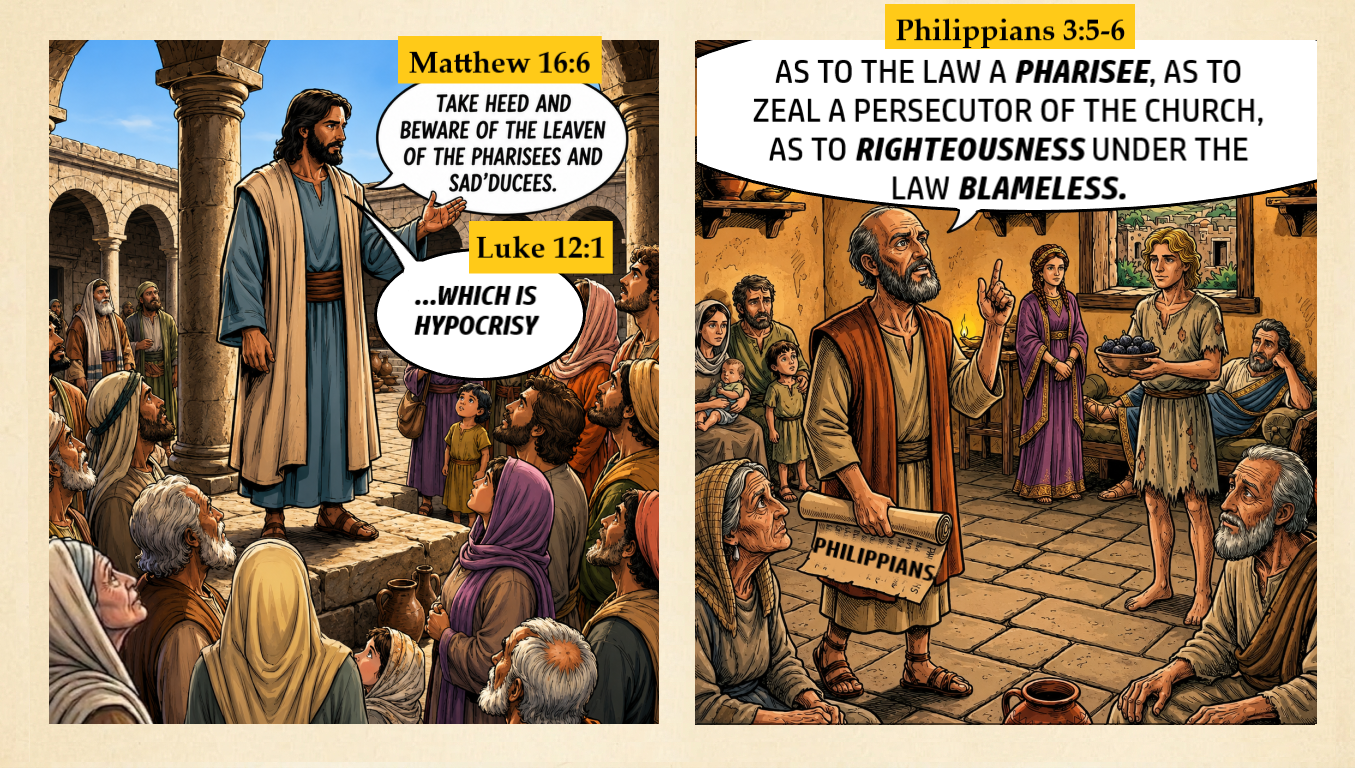

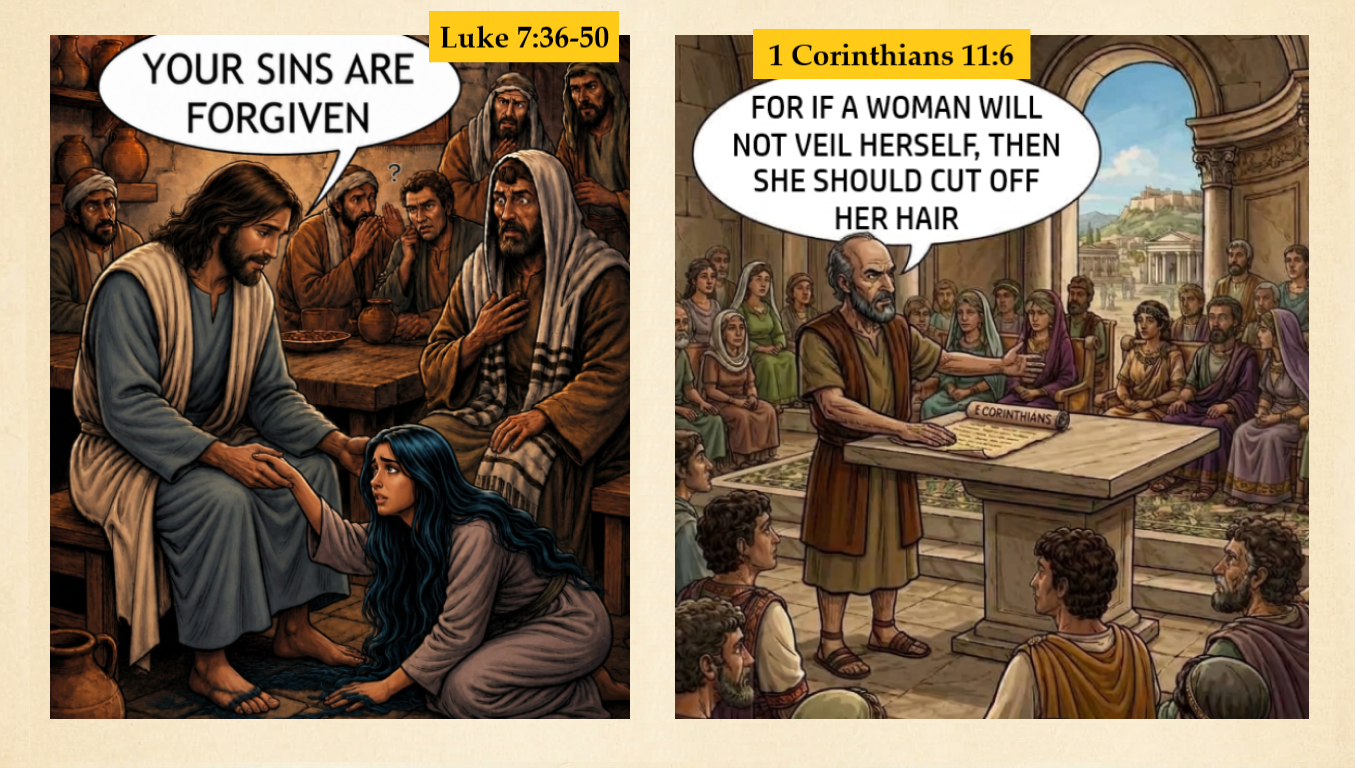








A question to think about: Would the Holy Spirit or post-ascension Jesus have inspired Paul to lead Christians into the temptation to flirt with blasphemy — the unpardonable sin?
Are you willing to trust a man who may lead you into the temptation to flirt with the unpardonable sin: blasphemy?
Paul’s Words Tempt Christians to Flirt With Blasphemy
Beware Paul’s breadcrumbs that may lead Christians toward the jaws of the trap of blasphemy: insulting God the Father in heaven, slandering his goodness, attributing evil to him, or attributing anything he does to Satan.
What temptation to blasphemy, you may wonder? Consider the passage below in the middle of Paul’s letter to the Romans:
“Do you not know, brethren—for I am speaking to those who know the law—that the law is binding on a person only during his life? Thus a married woman is bound by law to her husband as long as he lives; but if her husband dies she is discharged from the law concerning the husband. Accordingly, she will be called an adulteress if she lives with another man while her husband is alive. But if her husband dies she is free from that law, and if she marries another man she is not an adulteress.
Likewise, my brethren, you have died to the law through the body of Christ, so that you may belong to another, to him who has been raised from the dead in order that we may bear fruit for God.” (Romans 7:1-4)
Before rushing to sweep crumbs under the rug and smooth the rug over, wouldn’t it be a good idea for a Christian to be certain that Paul is not subtly implying a blasphemous idea in Romans 7:1-4? That the God who gave the law to Moses on Mount Sinai died on the cross when Jesus was crucified? In that way, freeing Israel from his covenant with her, in the same way a wife is freed from the death of her husband to marry another man?
Paul’s unmistakable meaning is that God the Father is either dead, or dead to us for all practical intents and purposes. And that therefore his marriage covenant with Israel — the Ten Commandments, or the tablets of the covenant — are also dead to us now, for all practical intents and purposes.
Paul means to tell us that the reason why Christ can extend grace to his bride, is because she has been freed from her marriage covenant, the Ten Commandments — which were known as the tablets of the covenant — by the death of her husband, who had been God the Father.
Let’s see, though. How did it really work in Old Testament Israel? If a sinner repented and did the appropriate restitution and/or atonement, God the Father could forgive breaking all the commandments — except the most serious manifestation of breaking the third commandment: blasphemy. Blasphemy was the only unpardonable sin.
Jesus said he and his Father can forgive people who repent and who forgive others. But Jesus reaffirmed that there is just one unpardonable sin: blasphemy. The Pharisees committed blasphemy when they said Jesus cast out demons by the power of Beelzebub. (Matthew 12:27-31) Jesus said that if your brother repents, forgive him (Luke 17:3), and in the Lord’s Prayer (Matthew 6:5-15), it is clear that we will be forgiven our trespasses if we forgive other’s trespasses against us. The Parable of the Prodigal Son clearly illustrates a forgiving Father in heaven. (Luke 15:11-32)
Paul wasn’t just being sloppy for a single moment in Romans 7:1-7. Paul repeatedly said negative things about God’s moral laws, the Ten Commandments. In his letter to the Galatians, Paul vehemently associated the commandments with bondage, death, fleshliness, and cursedness. And he adamantly opposed the commandments to faith, spirit, life, grace, and atonement. (Galatians 2:19, Galatians 2:21, Galatians 3:2, Galatians 3:5, Galatians 3:10, Galatians 3:13, Galatians 3:21, Galatians 5:18) Similar statements are repeated in Paul’s letter to the Romans in Romans 3:20, Romans 4:15 and Romans 7:6-9. Consider being careful with these texts, because they can tempt us to construe Paul’s words in blasphemous ways, even if we do it unwittingly.
Would the Holy Spirit have inspired Paul to write this analogy that vaguely swipes at blasphemy in an under handed way? Jesus said the Holy Spirit would only inspire words that came from his Father in heaven. (John 16:13) Would Jesus after his ascension have talked to Paul in secret to give him this new revelation about the meaning of his crucifixion? Jesus said the Father in Heaven gave him all his words. (John 12:49) You owe it to yourself to think it over very carefully, as the author of this article on the Jesus’ Words Only web site has done:
Paul in Romans 7 Claims the God of Sinai Is Dead (reading this article was my tipping point!)
If you’re still with me, read on to see what other major teachings Paul either contradicted Jesus about, or newly introduced.
Seven Major Doctrines Paul Contradicted Jesus About
- Paul says the name of Jesus is above all other names (Philippians 2:9); but Jesus says the Father is greater. (John 14:28) Jesus said to Mary of Magdala that he was ascending to “my God and your God.” (John 20:17) He said in Matthew 24:36: “But of that day and hour no one knows, not even the angels of heaven, nor the Son, but the Father only.” Peter called God the Father “the God and Father of our Lord Jesus Christ.” (1 Peter 1:3)
Did Paul really, literally mean to exclude the name of God the Father as a name above the name of Jesus? After all, didn’t he also say that it was God the Father who gave Jesus a name above all other names? The surprising answer is that, yes, Paul literally meant it. Paul and the author of Hebrews both relied upon a faulty 247 BC translation of Psalm 102 that read as if God the Father created God the Son, and then God the Son created everything else. This is the basis for Paul’s writings in Colossians 1:15-17, a passage which is subtitled The Supremacy of Christ in the NIV and RSV translations, and The Preeminence of Christ in ESV.
And Paul in Romans 7:1-4 strongly insinuated that God the Father died on the cross when Jesus was crucified, but that only God the Son was resurrected. This became, for Paul in Romans 7, the basis for saying that God’s wife, Israel, was freed from her marriage covenant — the Ten Commandments, also known as the tablets of the covenant — by the death of her husband, God the Father. For an extremely thought provoking article about this subject, here is the link again: Paul in Romans 7 Claims the God of Sinai Is Dead. This is the same article I linked above in the section on Paul and blasphemy.
In contrast, after his greeting, Peter opened his letter 1 Peter with the words:
“Blessed be the God and Father of our Lord Jesus Christ! By his great mercy we have been born anew to a living hope through the resurrection of Jesus Christ from the dead, and to an inheritance which is imperishable, undefiled, and unfading, kept in heaven for you, who by God’s power are guarded through faith for a salvation ready to be revealed in the last time.” (1 Peter 1:3-5)
Rather than the perverseness of encouraging the faithful to feel thankful that God the Father and/or his moral commands were supposedly dead to them, Peter encouraged the faithful to feel thankful that God the Father resurrected Jesus to new life and gave the faithful new hope. Not only that, but Peter said that Jesus trusted his Father to judge justly, which was the reason Jesus didn’t revile in return when he was reviled.
“When he was reviled, he did not revile in return; when he suffered, he did not threaten; but he trusted to him who judges justly.” (1 Peter 2:23)
Trust in the Father’s just judgment — Paul also undermines this kind of trust in the Father, by teaching the Father’s mercy is arbitrary and capricious. (Romans 9:18) Hope rooted in the Father’s resurrection of Jesus, demonstrating we, like the disciples of Jesus, can follow him where he goes, although we think we don’t know the way, because he is the way, the truth and the life. (John 14:5) Feeling hope at the thought that the Father can and will give life, rather than feeling glad at the foolish — and potentially blasphemous — thought that the Father has supposedly become dead to us so that his tablets of the covenant can likewise be regarded as dead to us. (Romans 7:1-7)
Hope that the Father will resurrect us through his Son according to Peter, versus hope that we can regard the Father and his moral commands as dead to us according to Paul. Could it be any more opposite? - Spiritual Union and Eternal Life by the Magic of a Sacrament … or the Faithfulness of Keeping Jesus’ Words? Paul says baptism as a sacrament brings mystical union with Jesus. (Romans 6:3-4) Jesus says anyone who loves him will keep his words, and then he and his Father will come to dwell with them. (John 14:23) He says to enter life, keep the commandments. (Matthew 19:17). He says anyone who keeps his word will never see death (John 8:51), and his words are spirit and life (John 6:63). He teaches being born again (John 3:1-21), and his seed parables teach that his words are seeds that are sown in the heart to bring the new birth. (Matthew 13:1-43, Mark 4:13-20) Peter reaffirms both that the Gospel consists of God’s words — as opposed to just the facts of Jesus crucifixion burial, and resurrection — and that God’s words spoken through Jesus are the imperishable seeds from which the faithful have been born again. (1 Peter 1:23-25)
A careful examination of the baptism stories involving Peter in the book of Acts will demonstrate that in these stories, the Holy Spirit was not received by people as a result of the ritual of baptism acting in a magical way as a sacrament. Instead, Peter’s stories about baptism in Acts show that it is the reception of Jesus’ words into the human heart, that causes the Holy Spirit to become received, and causes an individual to become born again, also sometimes translated as begotten again from above (with the Father’s words abiding in the heart acting as the means of spiritual reproduction). Jesus said many words to this effect in the Gospels. And James wrote in his epistle that it is the “implanted word” that causes a person to become born again. (James 1:21) James understood the seed parables of Jesus.
“Now when the apostles who were at Jerusalem heard that Samaria had received the word of God, they sent Peter and John to them, who, when they had come down, prayed for them that they might receive the Holy Spirit. For as yet He had fallen upon none of them. They had only been baptized in the name of the Lord Jesus. Then they laid hands on them, and they received the Holy Spirit.” (Acts 8:14-17)
In this passage, it was the prayer and laying of hands on the Samaritans that caused them to receive the Holy Spirit. Being baptized in the name of Jesus had not caused them to receive the Holy Spirit as a sacrament.
“And while staying with them he charged them not to depart from Jerusalem, but to wait for the promise of the Father, which, he said, ‘you heard from me, for John baptized with water, but before many days you shall be baptized with the Holy Spirit.’” (Acts 1:4-5)
This is one more passage showing that the Holy Spirit is not conferred by baptism as a sacrament.
Clarity About Baptism and the Holy Spirit in This Passage in Acts 10:30-49
The next passage from Acts will bring the most clarity to Peter’s baptism doctrine.
“And Peter opened his mouth and said: ‘Truly I perceive that God shows no partiality, but in every nation any one who fears him and does what is right is acceptable to him. You know the word which he sent to Israel, preaching good news of peace by Jesus Christ (he is Lord of all), the word which was proclaimed throughout all Judea, beginning from Galilee after the baptism which John preached: how God anointed Jesus of Nazareth with the Holy Spirit and with power; how he went about doing good and healing all that were oppressed by the devil, for God was with him. And we are witnesses to all that he did both in the country of the Jews and in Jerusalem. They put him to death by hanging him on a tree; but God raised him on the third day and made him manifest; not to all the people but to us who were chosen by God as witnesses, who ate and drank with him after he rose from the dead. And he commanded us to preach to the people, and to testify that he is the one ordained by God to be judge of the living and the dead. To him all the prophets bear witness that every one who believes in him receives forgiveness of sins through his name.’
While Peter was still saying this, the Holy Spirit fell on all who heard the word. And the believers from among the circumcised who came with Peter were amazed, because the gift of the Holy Spirit had been poured out even on the Gentiles. For they heard them speaking in tongues and extolling God. Then Peter declared, ‘Can any one forbid water for baptizing these people who have received the Holy Spirit just as we have?’ And he commanded them to be baptized in the name of Jesus Christ. Then they asked him to remain for some days.” (Acts 10:30-49)
The above story contains every element necessary to clear up confusion about whether baptism confers the Holy Spirit. The Holy Spirit fell upon Peter’s gentile listeners before they were baptized. At the very beginning of Peter’s speech, he made it clear that to God, “in every nation any one who fears him and does what is right is acceptable to him.”
Hearing the word caused the Holy Spirit to come to the people, even before they had been baptized.
One important aspect of baptism into the name of Jesus Christ, was that it was a public declaration of faith in Jesus. (Acts 2:38) For Jews, it took a lot of commitment to publicly declare faith in Jesus as the Messiah. They did so at a risk to their standing within their families and communities. Jesus said whoever was ashamed of him and his words before men, he would be ashamed of them when he returned in his glory. (Luke 9:26)
Not only was the public aspect of baptism important, but baptism was also important as the symbol of a cleansed conscience. In 1 Peter, Peter emphasized this aspect of baptism. “…not as a removal of dirt from the body but as an appeal to God for a clear conscience, through the resurrection of Jesus Christ,” wrote Peter. Peter in his letter did not say that it was baptism that caused a believer to become born again. Just like James said in James 1:21, Peter said it was by the incorruptible seed of God’s word that believers become born again. (1 Peter 1:23-25) This is in perfect accord with Jesus’ Parable of the Sower. (Matthew 13:1–23, Mark 4:1–20, Luke 8:4–15) - Jesus’ Words as the Bread of Life, or the Eucharist as a Proclamation of Jesus’ Death Until His Second Coming? Jesus used an abundance of figurative language in which his words were the means of eternal life, comparing his words to blood, wine, bread and to pure living waters. (John 6:35, 6:53, 7:38; Matthew 4:4, 9:17, 26:26-28; Luke 10:42, 22:17-20) Jesus’ disciples knew Jesus’ words are the bread of life (John 6:34). “Lord, give us this bread always,” they said to him. But Paul taught that the early prototype of what later became the eucharist was a mystical sacrament that proclaimed Christ’s death until his Second Coming. (1 Corinthians 11:26)
Jesus’ crucifixion and resurrection are pivotal, but Jesus is more than a mystical allegory about crucifixion, burial and resurrection. He is the Word made flesh. (John 1:14) The Holy Spirit is not distinct from the Logos. That’s because the Word, the Logos, that dwelled in Jesus, came from the spirit of God the Father dwelling in Jesus and giving Jesus his words. (Luke 8:4-15; John 1:1, 1:14, 6:68, 14:10; Matthew 13:1-23, 13:24-30, 13:31-32; Mark 4:1-20) The Shekinah glory in the Old Testament, that dwelled in the tabernacle and in the Holy of Holies in the temple, was preparing people to understand the concept of God’s spirit dwelling in a man, Jesus, the Messiah. The Prophet like Moses, but a prophet who always spoke God’s words, and didn’t only speak with God intermittently, like Moses. (Deuteronomy 18:15-19)
Lord, to Whom Shall We Go? You Have the Words of Eternal Life
After this many of his disciples drew back and no longer went about with him. Jesus said to the twelve, ‘Do you also wish to go away?’ Simon Peter answered him, ‘Lord, to whom shall we go? You have the words of eternal life; and we have believed, and have come to know, that you are the Holy One of God.’” (John 6:47-69)
Peter got it. He knew Jesus’ words are the bread of life, the anti-type of the manna that his ancestors ate in the desert. His ancestors had been taught this truth as well, as far back as Deuteronomy 8:3.
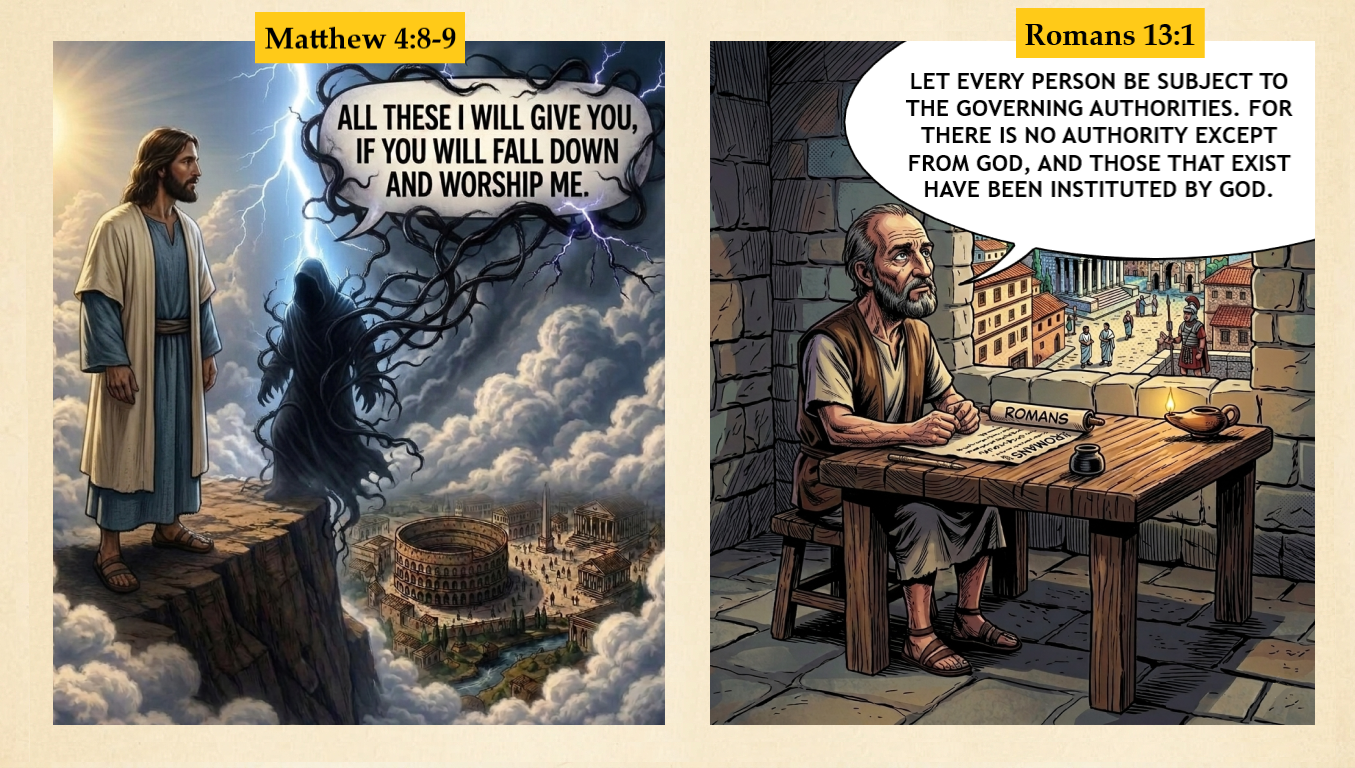
When Satan tempted Jesus in the wilderness, Jesus clearly rebuked Satan by reference to living not by bread alone but every word of God, citing Deuteronomy 8:3.
“But he answered, “It is written,
‘Man shall not live by bread alone,
but by every word that proceeds from the mouth of God.’” (Matthew 4:4)
For As Often As You Eat This Bread and Drink the Cup, You Proclaim the Lord’s Death Until He Comes
Paul, on the other hand, taught that eating the bread and drinking the wine of the Lord’s Supper, is a sacrament that proclaims Christ’s death, until his Second Coming.
“For I received from the Lord what I also delivered to you, that the Lord Jesus on the night when he was betrayed took bread, and when he had given thanks, he broke it, and said, ‘This is my body which is for you. Do this in remembrance of me.’ In the same way also the cup, after supper, saying, ‘This cup is the new covenant in my blood. Do this, as often as you drink it, in remembrance of me.’ For as often as you eat this bread and drink the cup, you proclaim the Lord’s death until he comes
Whoever, therefore, eats the bread or drinks the cup of the Lord in an unworthy manner will be guilty of profaning the body and blood of the Lord. Let a man examine himself, and so eat of the bread and drink of the cup. For any one who eats and drinks without discerning the body eats and drinks judgment upon himself. That is why many of you are weak and ill, and some have died.” (1 Corinthians 11:23-30)
Papias said that John taught adding Jesus’ last supper instructions to Passover meal. In other words, Jesus’ last supper may have been a Passover seder. - Son of Man … or in the Likeness of Sinful Flesh? Paul says Jesus came in the likeness of sinful flesh (Romans 8:3) and in the likeness or appearance of a man (Philippians 2:8). Jesus called himself the Son of Man approximately 88 times in the Gospels.
Paul says nothing good lives in his flesh (Romans 7:18), that when Paul sins against his will it is sin doing it and no longer him doing it (Romans 7:15-17), and that flesh not only does not but cannot obey God’s moral laws (Romans 8:7).
Jesus says the spirit is willing but the flesh is weak (Matthew 26:41), that the flesh profits nothing because the spirit gives life (John 6:63), and that if his disciples wonder who can be saved, he reassures them that with God, all things are possible. (Matthew 19:25-27)
The Germ of Original Sin in Paul’s Doctrine
Paul’s teaching about the flesh is amplified by the germ of the doctrine of Original Sin in Paul’s writing. (Romans 5:12-19) In contrast, Jesus blesses the little children and says the kingdom of God belongs to people who are like the little ones. (Mark 10:13-16) Peter tells the faithful to be in relationship to God as his obedient children. (1 Peter 1:14). If children were born sinful ever since Adam, how could Jesus have spoken about children the way that he did?
John wrote: “By this you know the Spirit of God: every spirit which confesses that Jesus Christ has come in the flesh is of God, and every spirit which does not confess Jesus is not of God. This is the spirit of antichrist, of which you heard that it was coming, and now it is in the world already.” (1 John 4:2-3) Do Paul’s germs of Docetism qualify to have this passage from John applied to his writings? What are you willing to risk? What are you willing to assume?
What Paul’s Germs of Original Sin and Docetism Have to Do with Mary
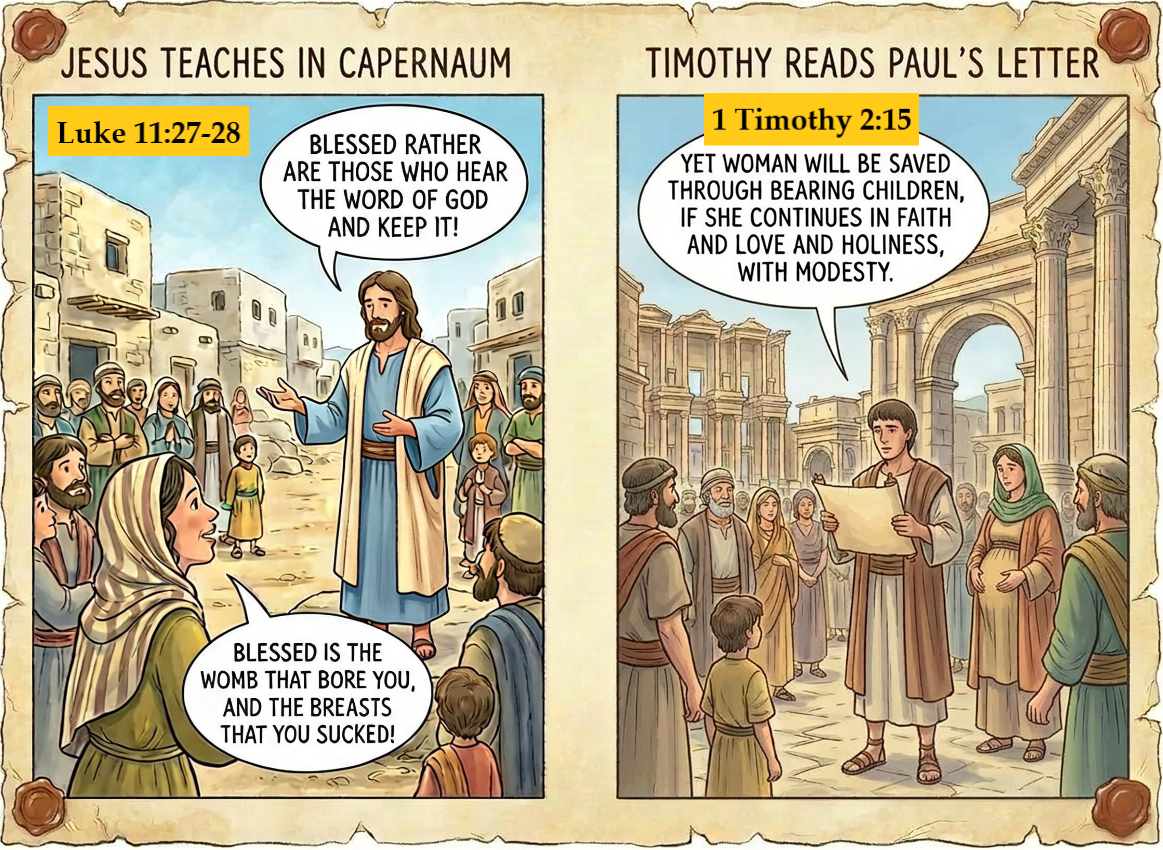
Combined with the Pauline proof texted doctrine of original sin, Paul’s teaching that flesh can’t obey commandments presents a problem for the idea of Jesus having been born of a woman and having existed in the flesh. Eventually, the Catholic church found it necessary to say that Mary had also been without sin, for the purpose of being able to say that Jesus had been born without original sin. But when a woman in Capernaum called out to Jesus, “Blessed is the womb that bore you,” Jesus replied, “Blessed rather are those who hear the word of God and keep it!” (Luke 11:27-28) - Twelve Apostles Chosen by Jesus and the Holy Spirit … or an Open-Ended Number of Self-Appointed Apostles? Paul — who is the only person in the New Testament to call himself an apostle — also calls other people apostles: Andronicus and Junia. (Romans 16:7) Paul also calls 80-90 people co-workers in his letters, including of course Timothy, Titus and Barnabas. Some of those co-workers, like Timothy, have been called delegate apostles, but it’s ambiguous and debatable, as it so often is in the Pauline epistles.
Jesus Said His Twelve Apostles Would Judge the Twelve Tribes of Israel in the New World
Jesus set apart a unique role for his twelve apostles to judge the twelve tribes of Israel. (Matthew 19:28) Matthias replaced Judas to bring the number of apostles back to twelve, but no more. Two men met the screening criteria to be appointed an apostle to replace Judas, but only one of the two men was chosen. (Acts 1:21-26) If thirteen apostles had been permitted, both Mathias and Joseph called Barsabbas (also known as Justus), could have been added as apostles. But instead, the eleven apostles restored the number of apostles to twelve, and then they stopped at twelve.
Refusing to Apply Acts 1:21-22 to Paul Means Opening the Door to Mormon Apostles and NAR Apostles
The New Apostolic Reformation (NAR) movement, as well as the Mormons, both use the precedent of Paul as a justification for the appointment of apostles.
In the book of Acts, Peter stated the qualification to be chosen as an apostle to replace Judas:
“So one of the men who have accompanied us during all the time that the Lord Jesus went in and out among us, beginning from the baptism of John until the day when he was taken up from us—one of these men must become with us a witness to his resurrection.” (Acts 1:21-22)
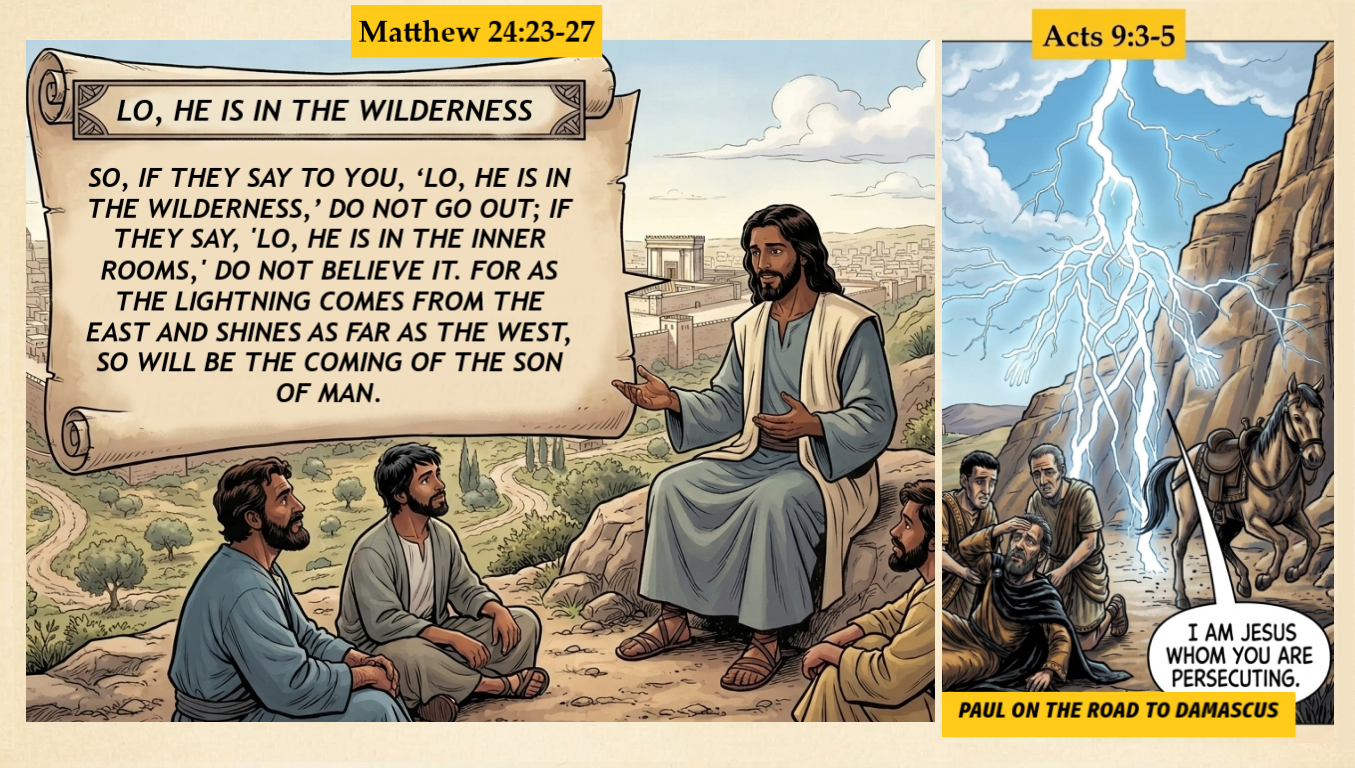
Paul did not meet any of the apostle screening criteria stated above by Peter. Instead, Paul met the criteria for one of Jesus’ warnings. Paul claimed to the church in Corinth that he witnessed the resurrected Jesus (1 Corinthians 15:4-8), but Jesus ascended forty days after his resurrection. So Jesus would have needed to return, in a private Second Coming, just for Paul. The location where Paul claimed to meet the resurrected Christ was a wilderness location on the road to Damascus. Therefore it qualifies to have Jesus’ warning applied to it.
Paul’s Damascus Road Encounter With a Spirit Claiming to Be Christ Meets the Criteria for a Warning from Jesus
“For false Christs and false prophets will arise and show great signs and wonders, so as to lead astray, if possible, even the elect. Lo, I have told you beforehand. So, if they say to you, ‘Lo, he is in the wilderness,’ do not go out; if they say, ‘Lo, he is in the inner rooms,’ do not believe it. For as the lightning comes from the east and shines as far as the west, so will be the coming of the Son of man.” (Matthew 24:24-27)
The Doctrines of Paul’s Lord Can’t Pass John’s Tests for the Spirit of Antichrist
John said the spirit of Antichrist was already in the world while he and Paul were both still alive. (1 John 4:1-4) John advised the faithful to test the spirits. But Paul never tested the spirit that he called Lord. Paul confessed the name of Jesus as Lord, but he did not have both the Father and the Son. (1 John 2:22) Paul taught that the Son replaced the Father. (Romans 7:1-7)
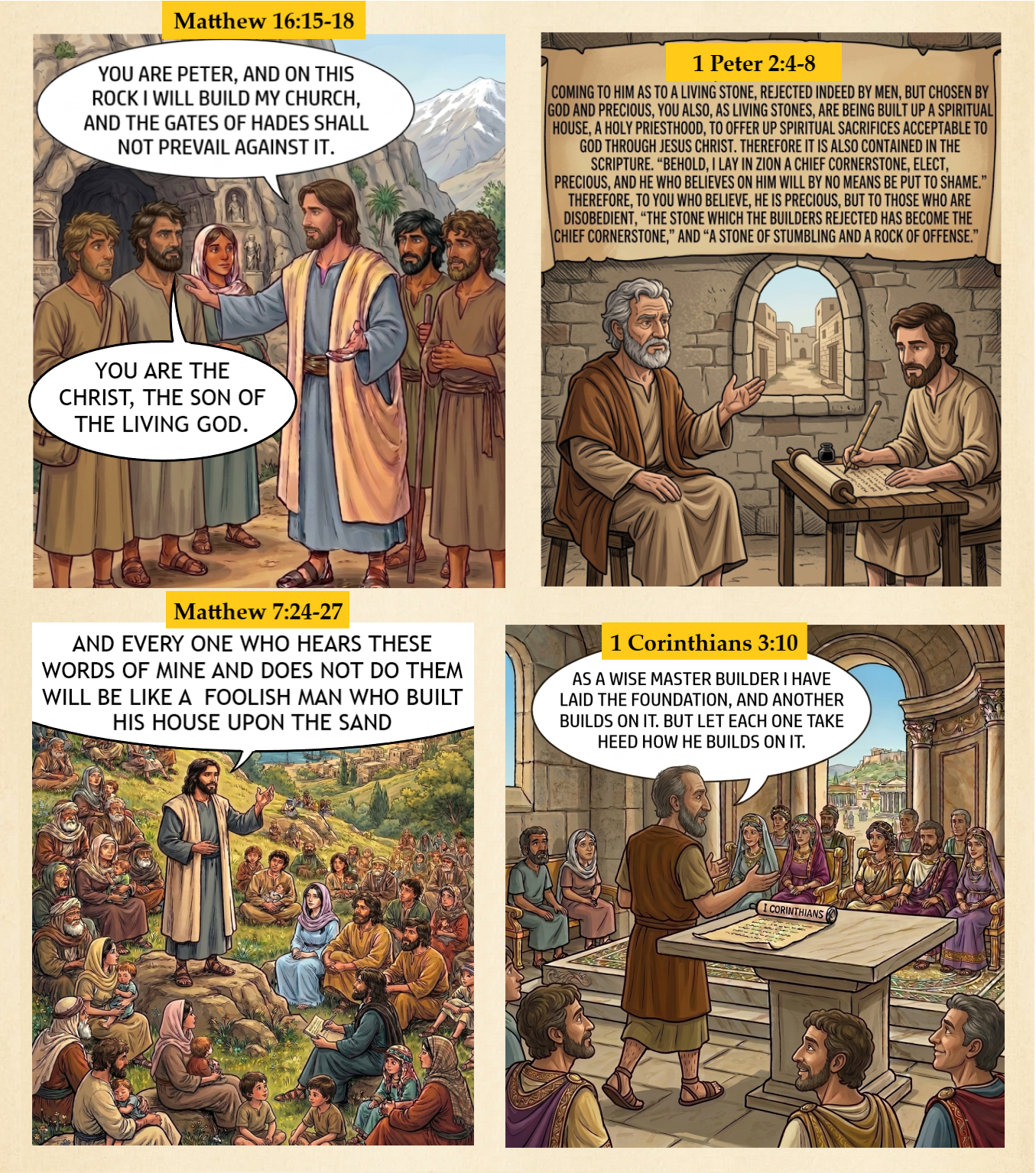
And Paul did not unambiguously teach that Jesus came in the flesh, teaching instead the germs of Docetism. Paul wrote that Jesus came in the likeness of sinful flesh and in the appearance of a man. (Romans 8:3, Philippians 2:8) These germs of Docetism are unlikely to be accidental sloppy wording, because Paul taught the germ of Original Sin (Romans 5:12-21), and Paul wrote that flesh not only does not but cannot obey God’s commands. (Romans 8:8) Therefore, Paul’s Docetism is consistent with Paul’s germs of Original Sin and Paul’s germs of Total Depravity in his writings. Paul’s germs of Docetism are very unlikely to be an accident of wording or translation. - Abraham, Faith and Works: Paul Says Gentiles Receive the Promises to Abraham, Becoming Abraham’s Children, Through Faith; Jesus Says to the Pharisees That If They Were Abraham’s Children, They Would Do What Abraham Did; i.e. Abraham’s Works: Paul develops his doctrine about Abraham — that Abraham was justified by faith alone — in his letter to the Galatians (Galatians 3:6-9) and in his letter to the Romans (Romans 4). Paul’s doctrine that Abraham was justified by faith alone, is intended by Paul to be a cornerstone of the foundation he says he laid as a master builder. (1 Corinthians 3:10).
Paul Laid a Foundation of Sand
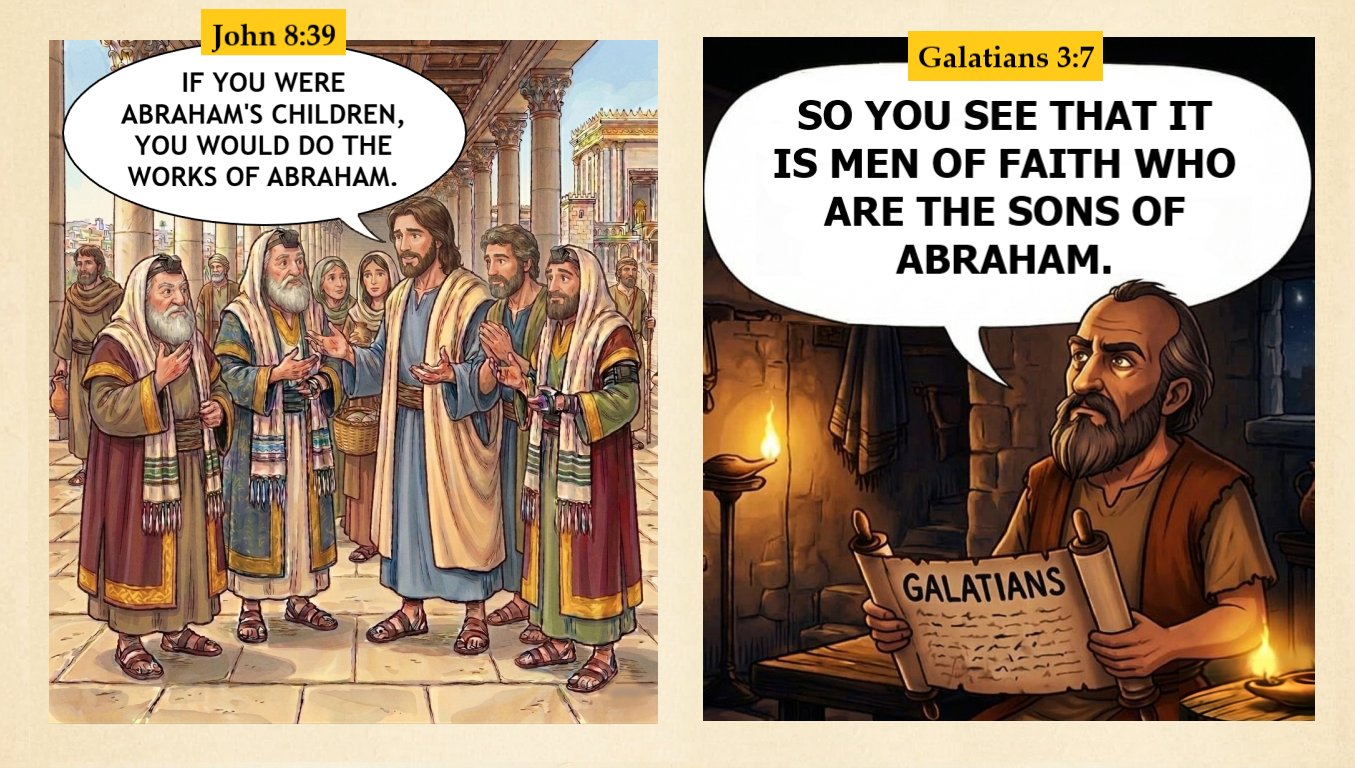
But Jesus reveals that Paul laid a foundation of sand (Matthew 7:24-29) by the words Jesus says to the Pharisees in John 8:39-59. He says that if they were Abraham’s children, they would do what Abraham did — or in other words do Abraham’s works. John the Baptist told the people to repent, for the kingdom of Heaven is at hand. He told the Pharisees and Sadducees: “Bear fruit that befits repentance, and do not presume to say to yourselves, ‘We have Abraham as our father’; for I tell you, God is able from these stones to raise up children to Abraham.” (Matthew 3:8-9)
What Paul says in his Sarah and Hagar allegory in Galatians is even worse, because he clearly implies that the commandments Moses carried down from Mount Sinai — the tablets of the covenant — put Israel into bondage. Even though the children of Israel had just been redeemed from slavery in Egypt. (Galatians 4:21-31) Christendom ignores that Paul teaches that the tablets of the convenant were not given by God Almighty to Moses but were only given by mere angels (Galatians 3:19), beggarly elements. The messengers of God are beggarly elements, says Paul. (Galatians 4:9)
Peter and John Met Jesus’ Criteria to Found Churches on a Foundation of Rock, Not Sand
In the Sermon on the Mount, Jesus said:
“Every one then who hears these words of mine and does them will be like a wise man who built his house upon the rock; and the rain fell, and the floods came, and the winds blew and beat upon that house, but it did not fall, because it had been founded on the rock. And every one who hears these words of mine and does not do them will be like a foolish man who built his house upon the sand; and the rain fell, and the floods came, and the winds blew and beat against that house, and it fell; and great was the fall of it.” (Matthew 7:24-27)
In Peter’s sermon to the crowd that gathered near Solomon’s Collonade after Peter healed the lame beggar, Peter mentioned in the same breath Abraham (Acts 3:13), faith in the name of Jesus (Acts 3:16), and repenting. (Acts 3:19)
John wrote: “And by this we may be sure that we know him, if we keep his commandments. He who says ‘I know him’ but disobeys his commandments is a liar, and the truth is not in him; but whoever keeps his word, in him truly love for God is perfected. By this we may be sure that we are in him: he who says he abides in him ought to walk in the same way in which he walked.” (1 John 2:3-6)
Paul’s Hypocrisy Regarding Circumcision
Paul sets into opposition faith and works. But faith and works are united for Peter and John. Paul alone opposes faith to works, saying to the Galatians that if they become circumcised, Christ will profit them nothing. (Galatians 5:2) Jesus was circumcised. Jesus’ twelve chosen disciples and apostles — who were Hebrews and were to judge the twelve tribes of Israel in the new world — must have been circumcised.
Paul told the Philippians he was circumcised. (Philippians 3:5) Paul had Timothy circumcised. (Acts 16:3) Paul boiled over a little bit too much in an angry outburst, then? Understandable and righteous anger, most of Christendom supposes? No, Paul said himself he was all things to all people, and that he became as a Jew to Jews. (1 Corinthians 9:20-22) But Paul meant his main theme — opposing faith to works, and opposing grace to commandments — in deadly earnest. Paul gave voice to this main theme often enough, even saying those who strive to be justified by the law have fallen from grace. (Galatians 5:4)
Gentile Sojourners In Israel Never Needed to Be Circumcised but Were Still Held to the Ten Commandments
In fact, gentiles who were sojourners in Israel didn’t need to be circumcised, unless they wanted to participate in Passover, or they wanted to enter the Jerusalem temple, beyond the outer court of the gentiles. Gentiles still needed to obey the Ten Commandments while they sojourned in Israel. See the article, Law Applicable Today, on Jesus’ Words Only.
Paul says similar things in Romans 6:14 and 1 Corinthians 6:12 as he says in Galatians. Although Paul zigzags about the moral commands in his letter to the Romans, he brings his readers to the conclusion that they are under grace, not under the law (Romans 6:14) because the Old Testament God and his old marriage covenant with Israel is dead to them, freeing them to become betrothed to a new husband, Christ. (Romans 7:1-7) In this way, Christ is the end of the law, says Paul. (Romans 10:4) In Romans 4, as in Galatians, Paul vehemently insists Abraham was justified by faith, not works.
Jesus Made It Clear That He Was Not the End of the Law
Jesus couldn’t have stated any more clearly and strongly that he was not the end of the law.
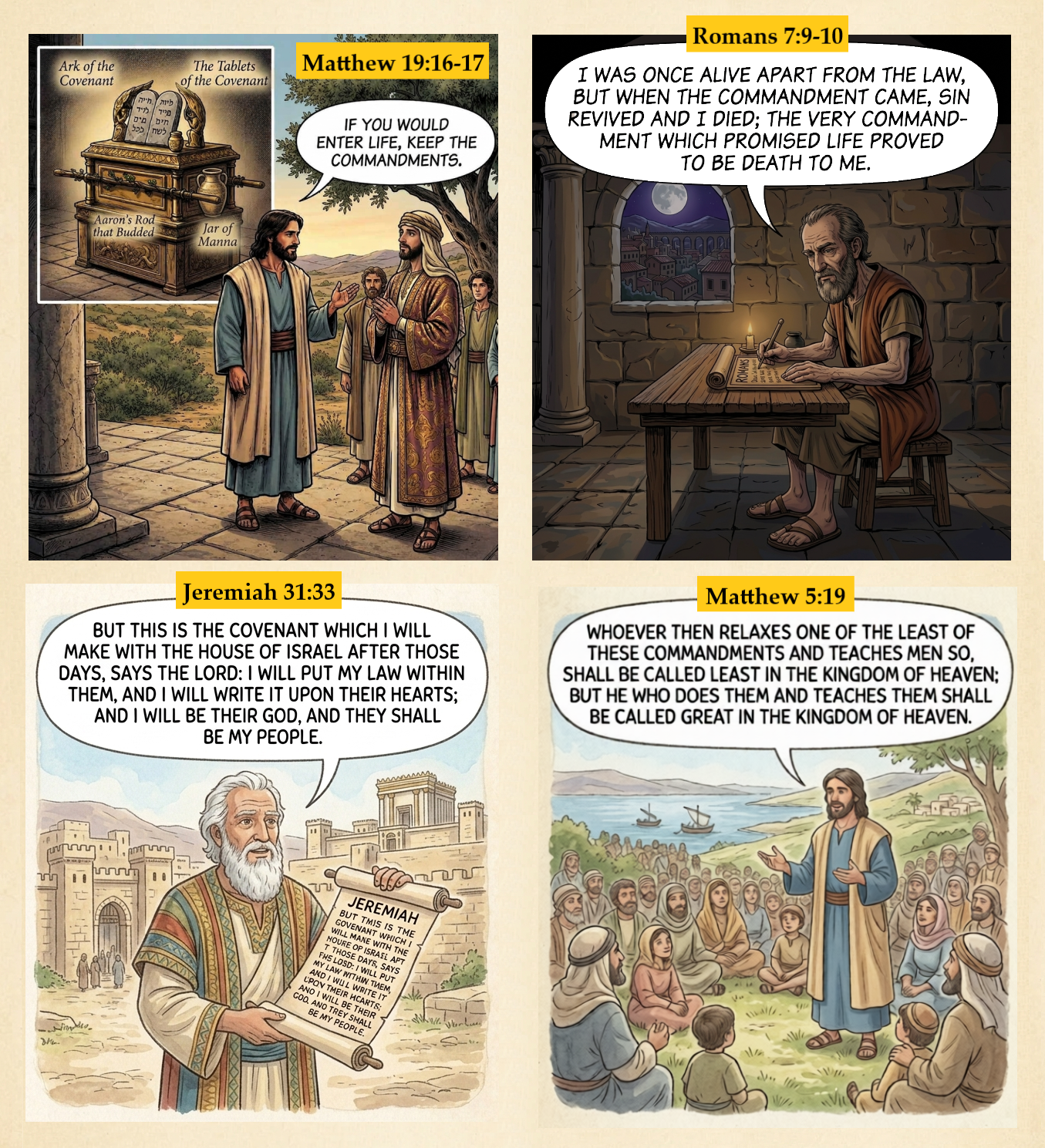
“Think not that I have come to abolish the law and the prophets; I have come not to abolish them but to fulfil them. For truly, I say to you, till heaven and earth pass away, not an iota, not a dot, will pass from the law until all is accomplished. Whoever then relaxes one of the least of these commandments and teaches men so, shall be called least in the kingdom of heaven; but he who does them and teaches them shall be called great in the kingdom of heaven. For I tell you, unless your righteousness exceeds that of the scribes and Pharisees, you will never enter the kingdom of heaven.” (Matthew 5:17-20)
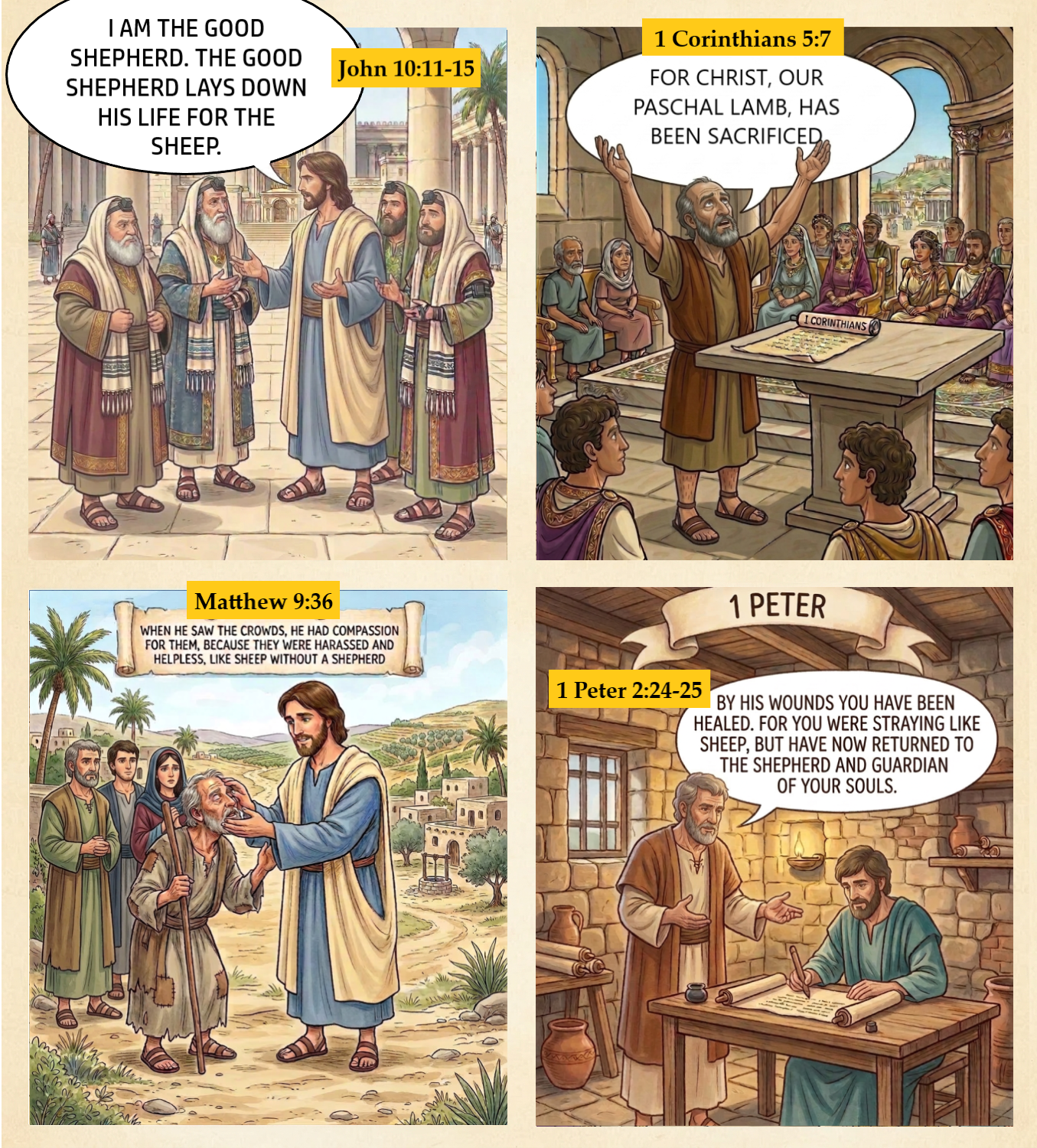
Jesus calls his disciples to follow him, the Good Shepherd (John 10), not to blindly follow blind hypocrites (Matthew 23:13) into the ditch. (Matthew 15:14) - Judgment Doctrines: Nothing Can Separate Us from the Love of God Says Paul (Romans 8:31-39). But Jesus Says He Will Tell Those Who Call Him Lord, Without Doing the Will of His Father in Heaven, to Depart from Him (Matthew 7:21-23) Jesus says he will judge by his words. “He who rejects me and does not receive my sayings has a judge; the word that I have spoken will be his judge on the last day.” (John 12:48) In John 5:24, Jesus says along the same lines and more elaborately, “Truly, truly, I say to you, he who hears my word and believes him who sent me, has eternal life; he does not come into judgment, but has passed from death to life.”
Does Anybody — Even Paul — Get to Say God Can’t Judge People Anymore, as Long as They Listen to Words Paul Learned Through Paranormal Experiences and Wrote in Letters?
Does anybody get to say in so many words that God the Father, through his Son the Messiah, isn’t allowed to judge people anymore as long as they listen to … not Jesus’ words … but Paul’s words? Actually, they are listening to doctrines like Eternal Security, which proof text a few little selective passages from Paul’s letters and then teach people to filter whatever else they read or hear, through the doctrine. But the doctrinal filters strain at gnats and allow camels to pass through. (Matthew 23:24)
It’s About Jesus’ Words, Not Only the Facts of His Crucifixion, Burial and Resurrection
Abiding in the sayings of Jesus — not just acknowledgement of the facts of his crucifixion, burial and resurrection — is the basis for passing from death to life rather than coming under judgment. Jesus is very clear that his sayings are his Father’s sayings. “Do you not believe that I am in the Father and the Father in me? The words that I say to you I do not speak on my own authority; but the Father who dwells in me does his works.” (John 14:10)
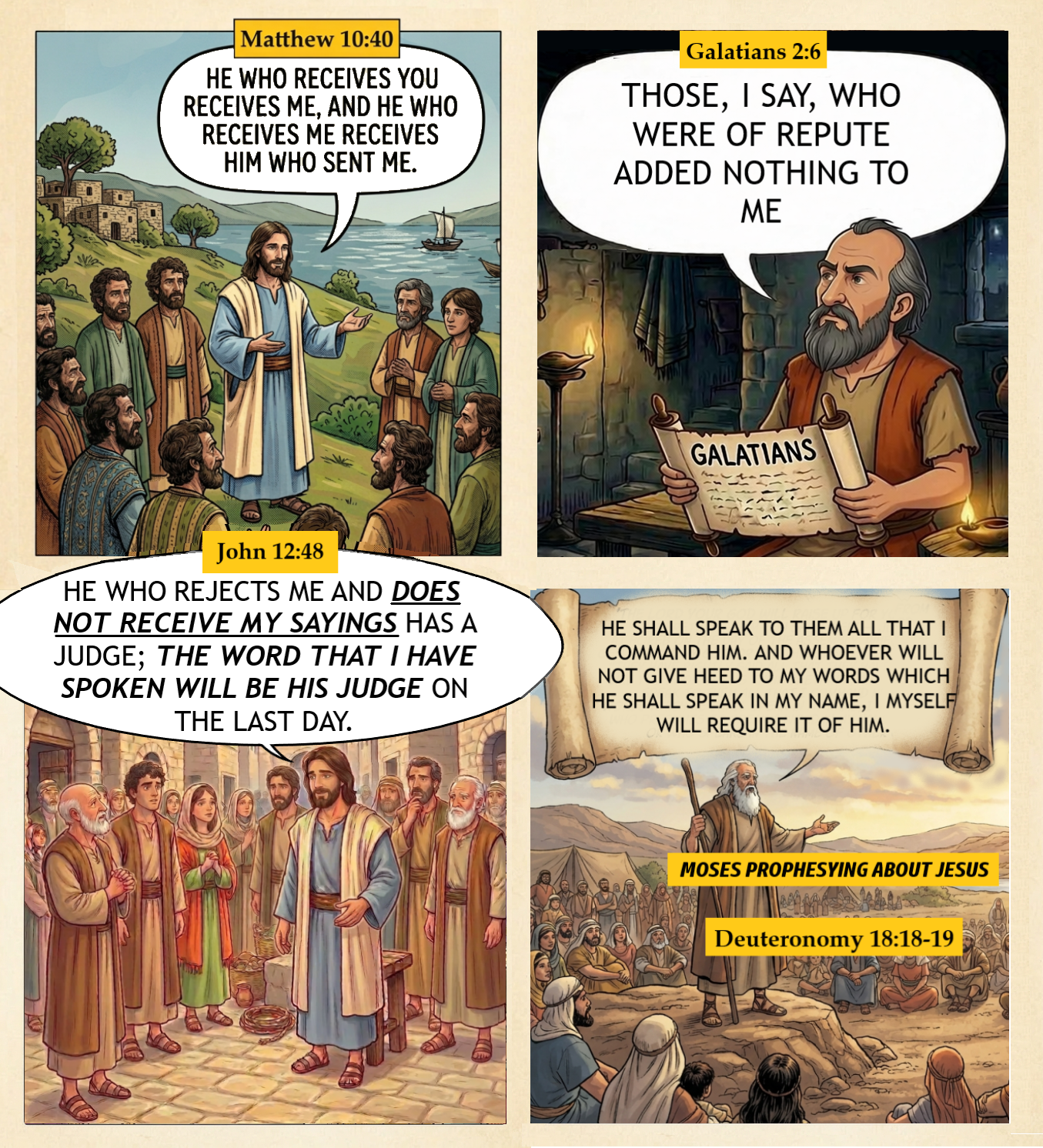
Paul would have needed to receive Jesus’ sayings from the disciples of Jesus, who accompanied Jesus from his baptism to his resurrection. But Paul wrote to the Galatians that Cephas (Aramaic for Peter), James and John imparted nothing to him. (Galatians 2:6) Jesus said to his disciples before sending them out to the towns of Judea in pairs: “He who receives you receives me, and he who receives me receives him who sent me.” (Matthew 10:40)
Besides, how would Paul have been able to believe Jesus’ teachings were given to him by his Father in heaven? Paul taught that the gospel of grace of Paul’s Christ was different from God the Father’s dispensation of law in the Old Testament. (Galatians 5:2, Galatians 5:4, Galatians 3:24, 1 Corinthians 6:12, Romans 6:14, Romans 7:1-7, Romans 10:4, Ephesians 3:1-9) And the reason it was able to be so different? Because, Paul taught in Romans 7:1-7, the Father and his marriage covenant either died or became dead to his wife, so she was free to marry the Son, who gave her a completely different marriage covenant than the old one. But if that is what Paul believed, then how could Paul, as Jesus put it, “believe him who sent me?” (John 5:24)
Look again at Jesus’ words about judgment in John 5:24:
“Truly, truly, I say to you, he who hears my word and believes him who sent me, has eternal life; he does not come into judgment, but has passed from death to life.”
Jesus Tells Us the Two Conditions for Having Eternal Life As Opposed to Coming into Judgment
According to Jesus, the two conditions for having eternal life, as opposed to coming into judgment are: a) hearing Jesus’ word and b) believing the Father who sent the Son. Peter explained further in a sermon in Acts.
Peter told the crowds by Solomon’s Collonade, who gathered after he healed the lame beggar (Acts 3:11-26), that Jesus was the Prophet like Moses, foretold by Moses in Deuteronomy (Acts 3:22-23, Deuteronomy 18:15-19). The Transfiguration of Matthew 17 makes clear that Jesus is regarded by his Father as a greater authority than Moses. Deuteronomy explains why. Moses was God’s messenger only intermittently, by means of Moses speaking face to face with God, but not by means of God continually giving Moses every word Moses spoke. (Exodus 3:11-23, Numbers 12:4-14) Jesus was God’s messenger in every word he spoke to people during his ministry. (John 12:49) Jesus explained that “the Father dwells in me.” (John 14:10) John’s Gospel tells us that Jesus is given the Holy Spirit “without measure.” (John 3:34)
God said through Moses, in a prophecy about Jesus:
“I will raise up for them a prophet like you from among their brethren; and I will put my words in his mouth, and he shall speak to them all that I command him. And whoever will not give heed to my words which he shall speak in my name, I myself will require it of him.” (Deuteronomy 18:15-19)
One Shepherd, One Flock
Gentiles are not excluded from the requirement to give heed to the Father’s words which the Son speaks in his name. Jesus said in his Good Shepherd parable that “other sheep, that are not of this fold” would heed his voice.
“And I have other sheep, that are not of this fold; I must bring them also, and they will heed my voice. So there shall be one flock, one shepherd.” (John 10:16)
In this same Good Shepherd parable, Jesus clearly says that his sheep will be saved and therefore not judged.
“I am the door; if any one enters by me, he will be saved, and will go in and out and find pasture.” (John 10:9)
But what makes the sheep in Jesus’ flock belong to him? It’s simple. They do three things. They listen to the voice of the Good Shepherd, they follow him wherever he goes, and they don’t listen to the voice of the stranger who climbs into the sheepfold another way, instead of entering through the gate. (John 10:1-5)
Does Paul have the authority to divide Jesus’ One Flock? If Paul does so, maybe it’s because he fulfills the Benjamite Wolf Prophecy. See the article on Jesus’ Words Only: Who Is the Benjamite Wolf in Prophecy? Will you entrust your eternal life to the words of a man who might possibly fulfill the Benjamite Wolf Prophecy?
Seven New Doctrines Introduced into the Bible by Paul Alone
- The Rapture: 1 Corinthians 15:51-53 and 2 Thessalonians 2:1-5 are the two primary proof texts construed to teach the Pauline influenced doctrine of the Rapture, as it became known after it was introduced by Dispensationalism.
Not a Secret Second Coming
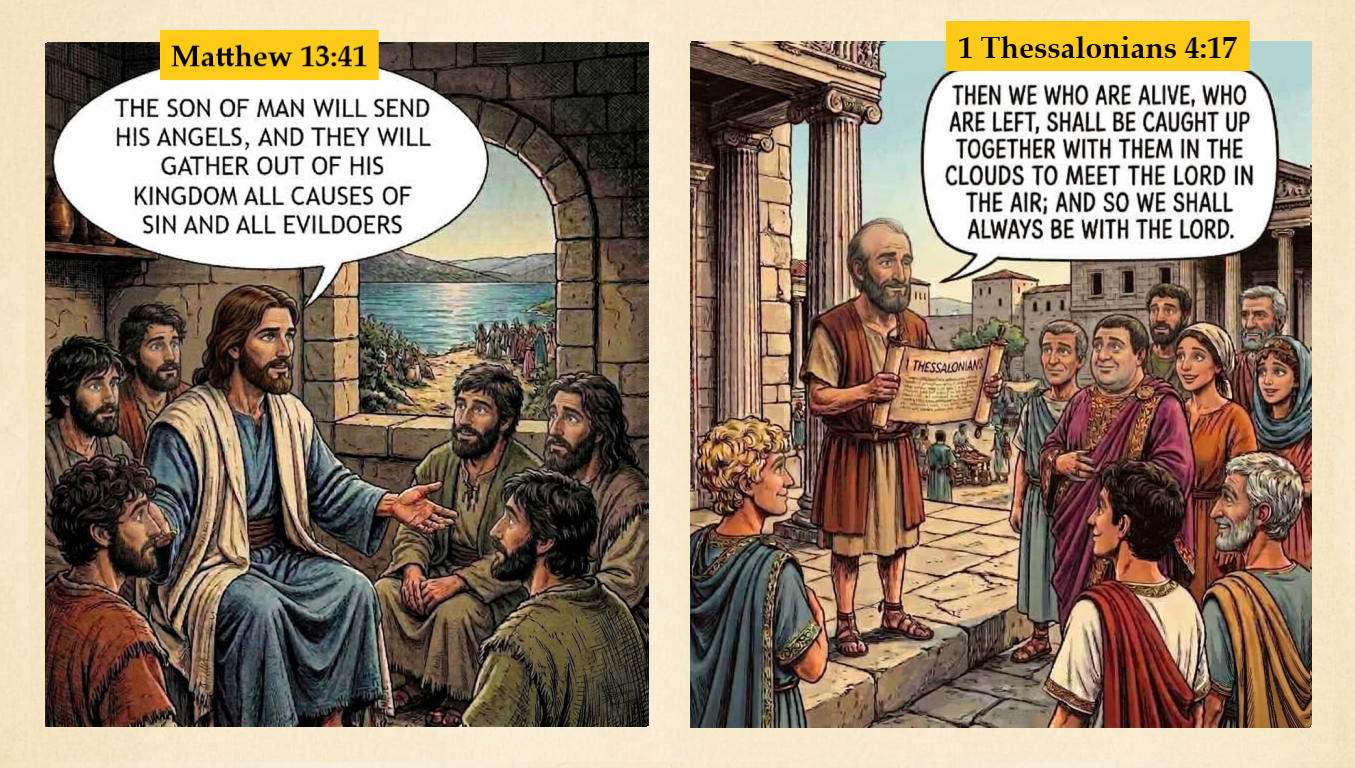
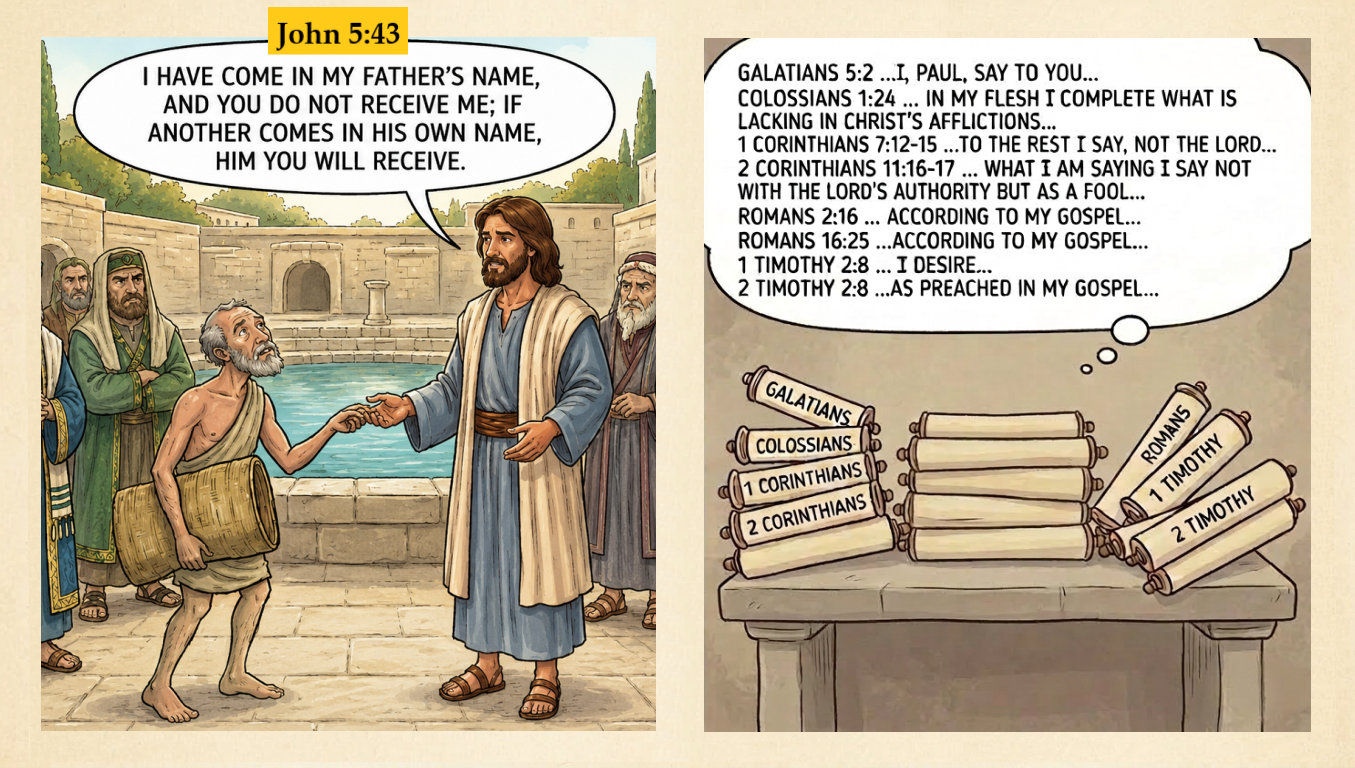
Jesus taught that his return would not be secret, that it would be as obvious to onlookers as lightning moving from east to west across the sky (sometimes translated as the sun moving from east to west across the sky), and that every eye would see him. He taught that all evildoers (sometimes translated as those who practice lawlessness) and all causes of sin would be removed from his kingdom by the angels upon his Second Coming. Not that the saved would be raptured to meet him in the air. (Matthew 13:41, Matthew 24:27, Revelation 1:7) - The Gospel of Grace, Called “My Gospel” by Paul: See Romans 6:14, Romans 16:25-26, Galatians 1:11-12, Galatians 2:2, Galatians 5:4, Philippians 3:8-9 and Ephesians 2:8-9.
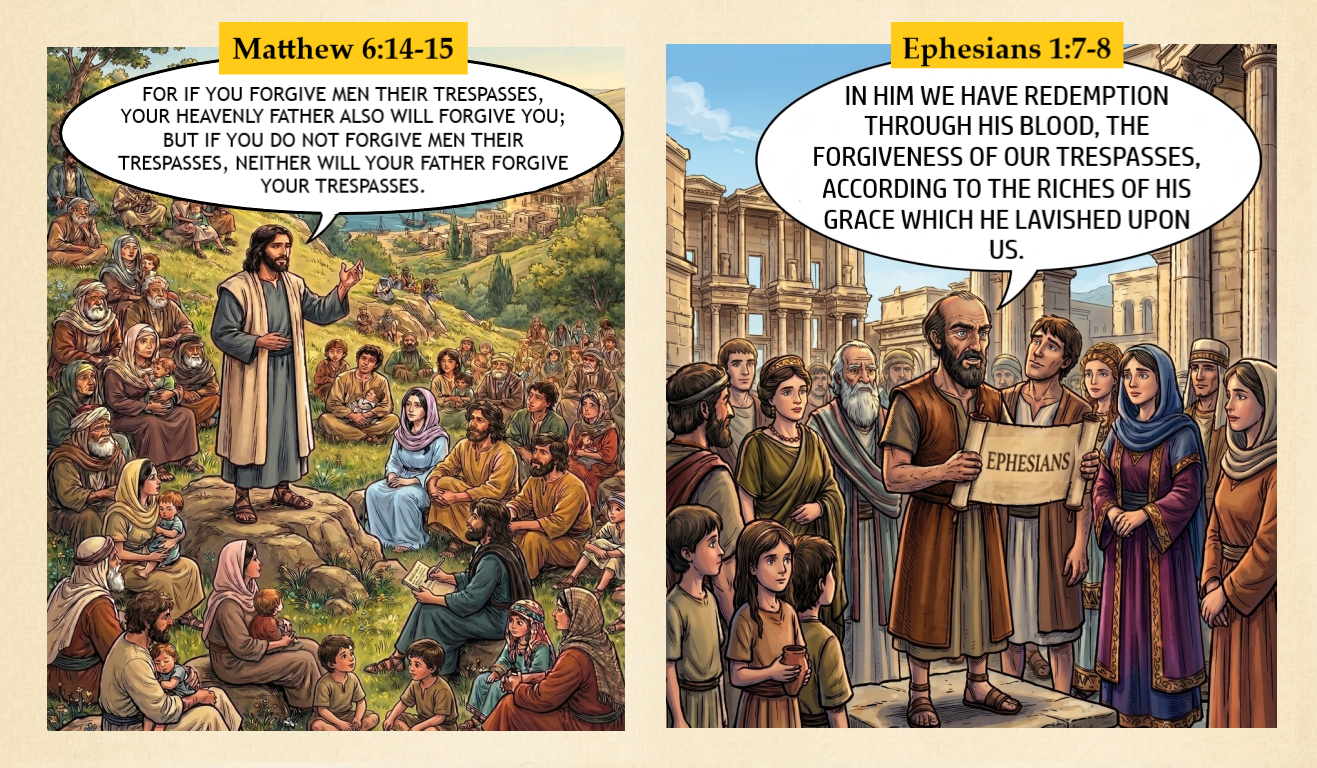
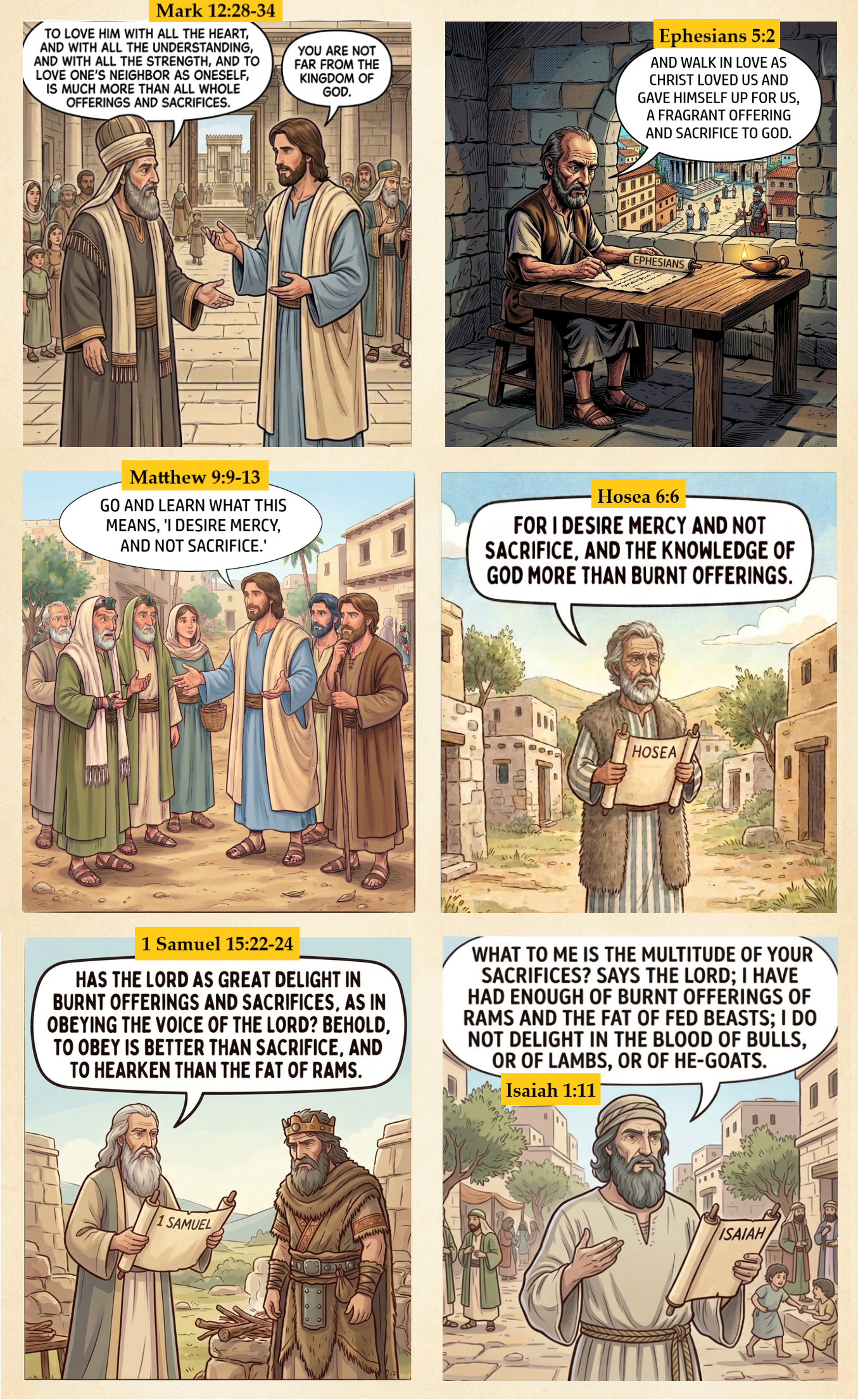
Jesus preferred the word mercy, and Jesus’ use of the word mercy (Matthew 9:13) was consistent with the Father saying through Moses that he gave mercy to those who loved him and kept his commandments (Exodus 20:6). Jesus never taught that being imperfect at keeping the law meant that the Father could not forgive sinners. On the contrary, Jesus illustrated a forgiving Father in the Parable of the Prodigal Son. (Luke 15:11-32) Jesus taught that the Father forgives us our trespasses if we repent and if we forgive the trespasses of others. (Matthew 6:12-14)
Faithfulness, Not Only Faith; Costly Grace If Necessary, Not Only Cheap Grace
Paul taught faith, but Jesus taught faithfulness. Paul preached cheap grace, but Jesus preached costly grace. (Luke 14:33) Jesus’ costly grace is consistent with what Jesus called the first and greatest commandment when he summed up the Law and the Prophets as the first and second greatest commandments. (Matthew 22:34-40)
That is because the first and greatest commandment entails putting the relationship with the Father in heaven above all else. And for that reason, being willing to make sacrifices if called to do so — like, for example, the sacrifice the rich young ruler was unwilling to make. (Matthew 19:16-22) If the rich young ruler had really loved God above all else, he would have loved God more than he loved his wealth. Paul left out the first and greatest commandment when he summed up the law in Galatians 5:14. - The Church as the Mystical Body/Bride of Christ: 1 Corinthians 12:12-27, Ephesians 1:22-23 and Colossians 1:18 are the primary Pauline proof text used to teach Paul’s doctrine that the church is the one mystical body/bride of Christ. The way to join the mystical body, according to Paul, was sometimes through sacraments like baptism (Romans 6:4) and the eucharist (1 Corinthians 11:17-34), and other times through simply uttering Paul’s ancient version of “the sinner’s prayer.” By this I mean the giving of verbal acknowledgement and mental assent to a creed consisting of knowledge about the facts of Jesus’ cruficixion, burial and resurrection. (Romans 10:9)
The Kingdom, Not Just a Mystical Body
In contrast to preaching a mystical body, Jesus consistently preached the gospel of the Kingdom, the Kingdom of Heaven, the Kingdom of God, the word of the Kingdom, or simply the Kingdom in many places including Mark 1:14-15, Matthew 4:17, Matthew 6:33, Matthew 13:19, Luke 11:20, Luke 13:28 and Luke 17:20-21. The first step in entering the Kingdom is to repent. (Matthew 3:1-11)
Jesus of course taught being born again (John 3:1-21), which is the reason for calling no man on earth father (Matthew 23:9), for it is the name by which we pray to the Father in heaven and is hallowed — meaning holy and set apart to be exclusive. (Matthew 6:9–13, Luke 11:2–4) This can be taken together with the Kingdom teachings, because every ancient nation started as a family. Jesus taught that whoever does the will of his Father in heaven is his brother and sister. (Matthew 12:50)
The Future Is Female: a Logical Implication of Paul’s Mystical Body/Bride Doctrine?
A well known MMA fighter and podcaster, who is a born again Christian, said in one of his podcasts that it was a struggle for him to learn to think of his future as female. He had been taught that in eternity, he would be a part of the mystical body bride of Christ.
The kind of cognitive dissonance that he described is unnecessary if Christians simply listen to Jesus. A man can simply think of himself as the Father’s son and the Son’s brother in the kingdom. A woman can simply think of herself as the Father’s daughter and the Son’s sister in the kingdom. (Matthew 23:9, Matthew 12:50) Could this kind of cognitive dissonance subconsciously make men turn away from the Christian faith, incorrectly believing it would become feminizing of them? Could it become one more way to alienate potential disciples and add burdens to those who are already disciples?
Abused Wives Need Jesus to Be Their Safe Space, Not Psychologically Merged With Their Abuser Through a Mystical Archetype
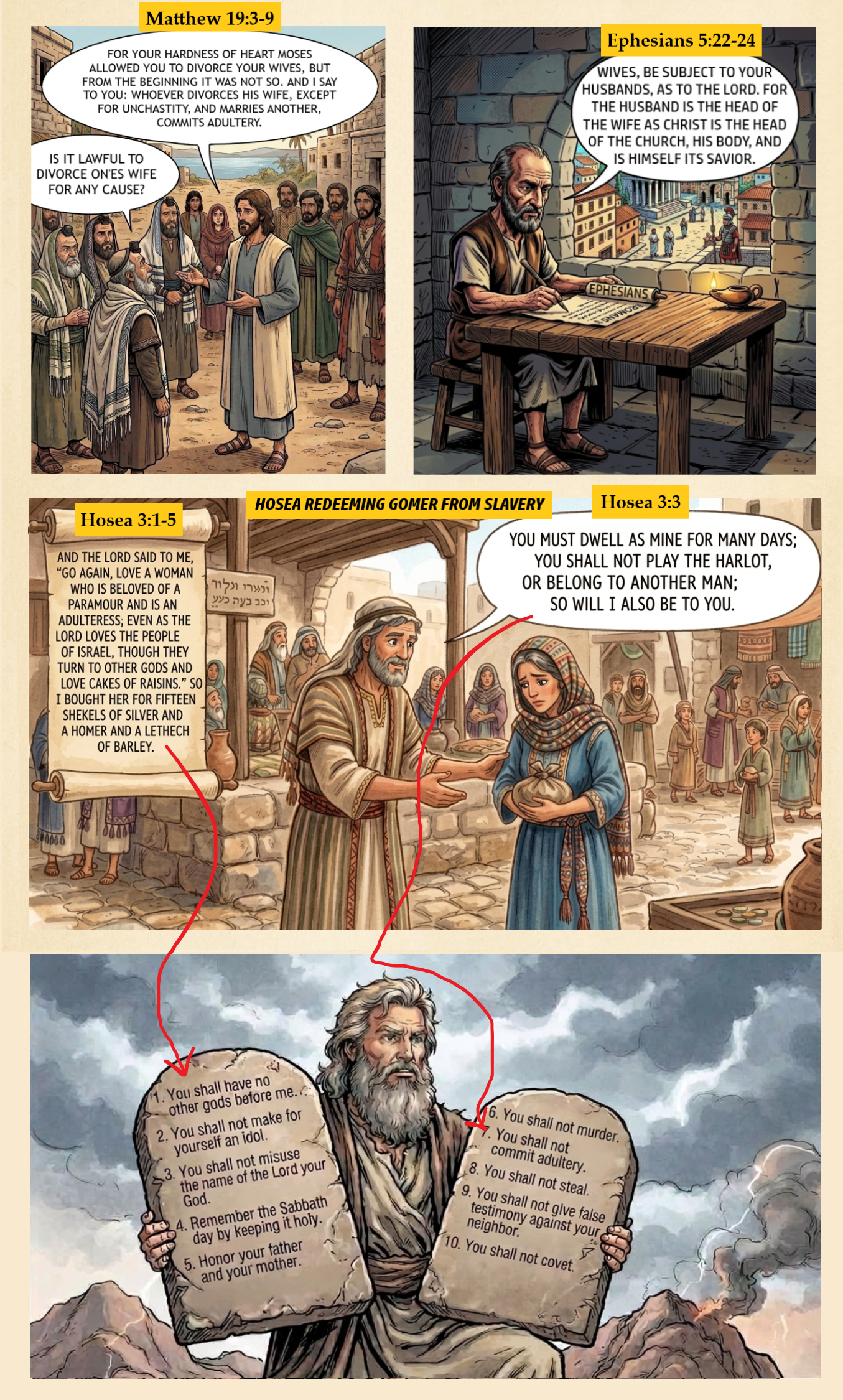
A related subject — because of Ephesians 5:22-24 and the doctrines based upon it and related Pauline passages — is that if a husband becomes abusive, if his wife can’t separate him from Christ in her psychology — because she has been taught that her husband is her Christ archetype — then Jesus may no longer seem to her like her safe space. It may become one more way for a previously faithful disciple to lose trust in the Father and the Son.
Hosea and Gomer lived out the ultimate prophetic marriage typology in the Old Testament. Hosea redeemed his repeatedly unfaithful ex-wife Gomer from a slave market and after doing so, only told her to be faithful, not to be subject to him in all things. (Hosea 3:1-5) In this, Hosea didn’t go beyond the commandments of God or add anything to them. Hosea was being consistent with the first and seventh commandments, forbidding idolatry and adultery. God forbid, through the mouth of Moses, adding to his commandments or subtracting from them. (Deuteronomy 4:2) In his unique prophetic calling, Hosea went above and beyond the requirements of the law, in his relationship with Gomer. - Pleroma, or Fullness of All Things, Gathered In Christ: Colossians 1:19-20, Colossians 2:9-10, Ephesians 1:9-10, and Ephesians 4:13 are the primary Pauline passages referring to a pleroma or a fullness of all things gathered in Christ. Pleroma was a Greek word meaning fullness, totality, or completeness. Spiritually, Pleroma carries a meaning of the source of all creation. It’s not much more than a vague idea of mystical union, implying the creatures return to their creator source.
Combined with Paul’s Rapture passage in 2 Thessalonians 2:1-5, a return to the Pleroma hints at other worldliness, more than it suggests this world will be made into a new world. It leaves open the question of how much individuation will remain after the creatures return to the Pleroma, and what the fate of the created world will ultimately be. Paul says only that the creation will be set free from its enslavement to decay. (Romans 8:21)
The Gospel of the Kingdom and the Redemption of Creation, Which Was Not Created for the Purpose of “Nothing Good” Dwelling In It, as Paul Said About His Flesh in Romans 7:18
Jesus quite clearly reaffirmed the Old Testament prophecies about the Messianic world to come. He said he would make all things new (Revelation 21:5) and spoke to his disciples in the Gospels of what has been translated as new world, renewal, and regeneration. (Matthew 19:28)
Peter was consistent with Old Testament prophets and with Jesus when he said in his short speech to the crowd who gathered around him at Solomon’s Colonnade after his healing of a lame beggar:
“But what God foretold by the mouth of all the prophets, that his Christ should suffer, he thus fulfilled. Repent therefore, and turn again, that your sins may be blotted out, that times of refreshing may come from the presence of the Lord, and that he may send the Christ appointed for you, Jesus, whom heaven must receive until the time for establishing all that God spoke by the mouth of his holy prophets from of old.” (Acts 3:19-21)
This can be taken together with Jesus’ teaching that, contrary to Paul’s rapture teachings ( 1 Corinthians 15:51-53, 2 Thessalonians 2:1-5), the saved will not be raptured from the earth. But instead the angels will remove all evildoers (sometimes also translated as those who practice lawlessness) and all causes of sin from the Kingdom. (Matthew 13:41) It’s also consistent with Jesus’ saying, “Blessed are the meek, for they shall inherit the earth.” (Matthew 5:5) - Baptism as Mystical Crucifixion with Christ and Mystical Burial with Christ: Galatians 2:20, Romans 6:3-14, 1 Corinthians 12:13 and Colossians 2:10-14 teach these mystical doctrines, with overtones of mystical union, spiritual regeneration, and salvation to eternal life. It verges on magical ritual, just as Paul’s ancient version of the “sinner’s prayer” (Romans 10:9) verges on magical incantation.
Being Born Again as Obedient Children of the Father in Heaven, Through His Words That Are Spirit and Life, to Enter His Kingdom
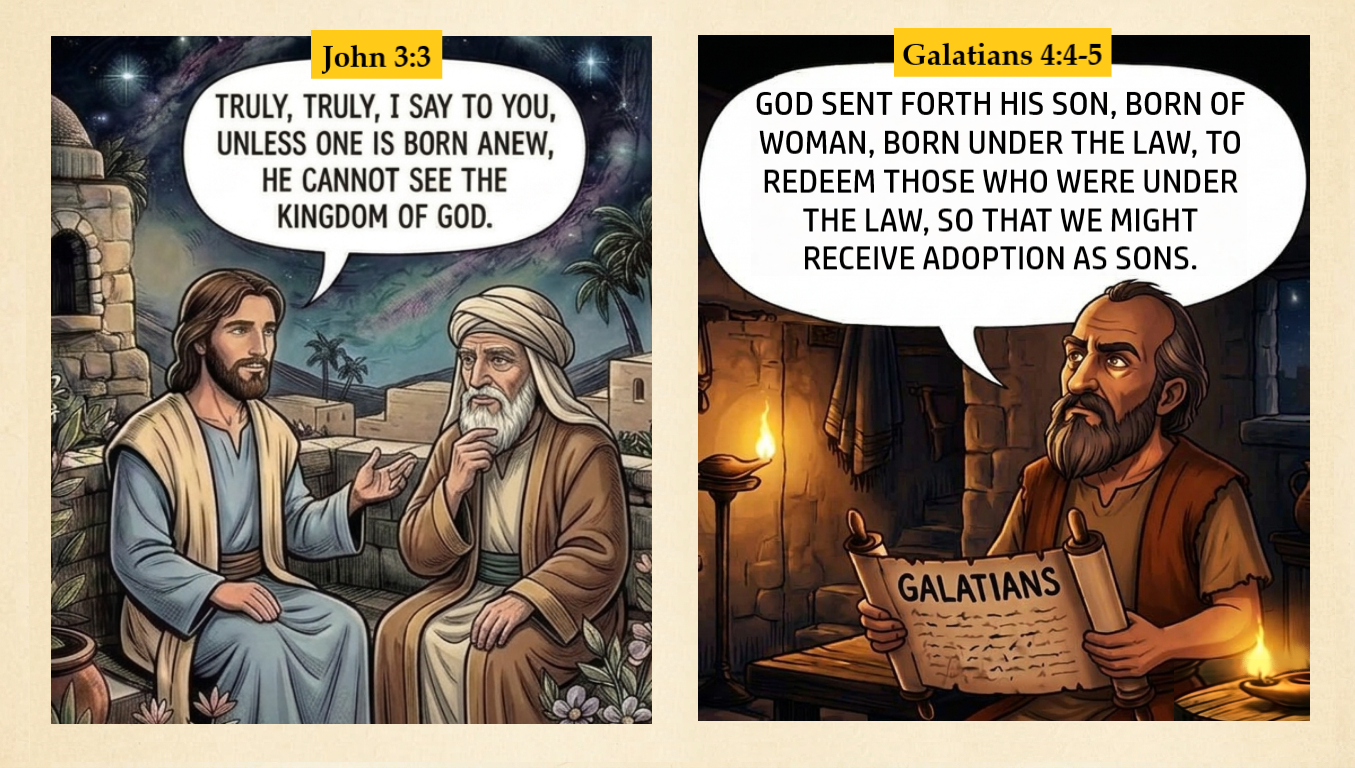
Jesus taught that if his disciples keep his words they will never see death (John 8:51) and that he and his Father will come to dwell with them (John 14:23), and he will pray the Father to send the Holy Spirit. (John 14:15-16) Jesus of course taught being born again (John 3:1-21), which is the reason for calling no man on earth father (Matthew 23:9), for it is the name by which we pray to the Father in heaven and is hallowed — meaning holy and set apart to be exclusive. (Matthew 6:9–13, Luke 11:2–4) This can be taken together with the Kingdom teachings, because every ancient nation started as a family. Jesus taught that whoever does the will of his Father in heaven is his brother and sister. (Matthew 12:50)
It’s a different kind of unity, that of a family, not a dissolution of individual identity in mystical union into one mystical body. There is not just a mystical bride and a mystical body; there are children, and they are individuals. The Son didn’t replace the Father to marry the Father’s former wife as Paul teaches in Romans 7:1-7. The Father remains the God of Abraham, Isaac and Jacob — and of all of his born again children — who enter his kingdom that he is the founding Father of — both Jews and gentiles. The kingdom is a family. (John 3:1-21, Matthew 6:9-13, Matthew 12:50, Matthew 23:9, Matthew 18:3, 1 Peter 1:14, Isaiah 43:6) - Abrogation of God’s Moral Laws — the Ten Commandments — Also Called the Tablets of the Covenant: Galatians and Romans both blatantly teach that the law given Moses on Mount Sinai by God himself was abrogated. Romans zig zags and says positive statements about the moral law, too. Paul in Romans shows evidence of having been trained in the rhetoric techniques of Sophistry. Galatians is completely negative about the moral law. Galatians is the most raw of all of Paul’s letters. Romans says similar things about the law as Galatians, all while equivocating the whole way through. Many of Paul’s other letters more vaguely allude to Paul’s concept of grace.
Paul develops his theme of grace across several letters to teach that the sinner is freed from the penalty of breaking God’s moral laws by Christ being the end of the law, by the law being nailed to the cross, and even by Israel’s husband — God — dying and freeing her from the marriage covenant with him (Romans 7:1-4, Romans 10:4, Galatians 5:2, Galatians 5:4, Colossians 2:14 and 1 Corinthians 10:23)
Jesus re-affirms in the Gospels many times to keep the commandments. (Matthew 5:17-20, Matthew 19:17, Luke 18:20, Mark 7:8, Mark 12:28-31, John 14:15) Additionally, Jesus said to the Pharisees that if they believed Moses, they would believe him, for Moses wrote of him. (John 5:46-47)
Jesus taught that everyone who sins is a slave to sin. (John 8:34) Paul taught God’s commandments put people under bondage or slavery. (Galatians 4:21-31) The reference to Sinai in Galatians is clear. Mount Sinai is the mountain where Moses received the tablets of the covenant, the Ten Commandments. The meaning is unmistakable upon close examination, even though it is subtle. The preponderance of redundancy of Paul’s other anti-law statements throughout Galatians reinforce that this is what Paul really meant — that the Ten Commandments, which were the covenant of God with his people after he redeemed them from slavery, actually put them into bondage. Paul’s teaching here is otherwise completely lacking in any internal logic or coherence.
Be careful following Paul in his implicit attribution of evil motives to God, because that could qualify as blasphemous. Paul didn’t think God gave the commandments to Moses on Mount Sinai. Paul thought angels gave the commands to Moses (Galatians 3:19), and he called the angels “beggarly elements.” (Galatians 4:9) Because angels are messengers of God, and because Jesus said that whoever receives his messengers receives him and receives the Father who sent him, it is problematic for Paul to insult angels. (Matthew 10:40)
Beware of following Paul’s insulting ways. The Gospels teach differently about angels than Paul does. In Luke 2:13-14, the angels appear in a multitude and praise God. In Matthew 16:27 Jesus said the Son of Man will come with his angels in his Father’s glory. Zechariah, the father of John the Baptist was mute until he wrote, “His name is John.” (Luke 1:62-64) John was the name the angel Gabriel told Zechariah that he and Elizabeth were to give to their son. (Luke 1:13) - A Dispensation of Grace for Gentiles, Which Is a Separate Dispensation from the Dispensation of the Law for Old Testament Israel:
Pauline proof texts are used to teach Dispensationalism, although it only became a named doctrine in the twentieth century. When Paul is deemed inerrant, Dispensationalism then becomes necessary to some, as they attempt mental acrobatics to make the entire Bible internally consistent and systematically logical — including every word of every Pauline epistle. If Paul had been a truly inspired voice, it doesn’t seem like it would have been necessary to work so hard to figure out how he can be deemed “inerrant.”
Jesus’ attitude toward the Bible was demonstrated by this conversation with the Pharisees:
“You search the scriptures, because you think that in them you have eternal life; and it is they that bear witness to me; yet you refuse to come to me that you may have life. I do not receive glory from men. But I know that you have not the love of God within you. I have come in my Father’s name, and you do not receive me; if another comes in his own name, him you will receive.” (John 5:39-43)
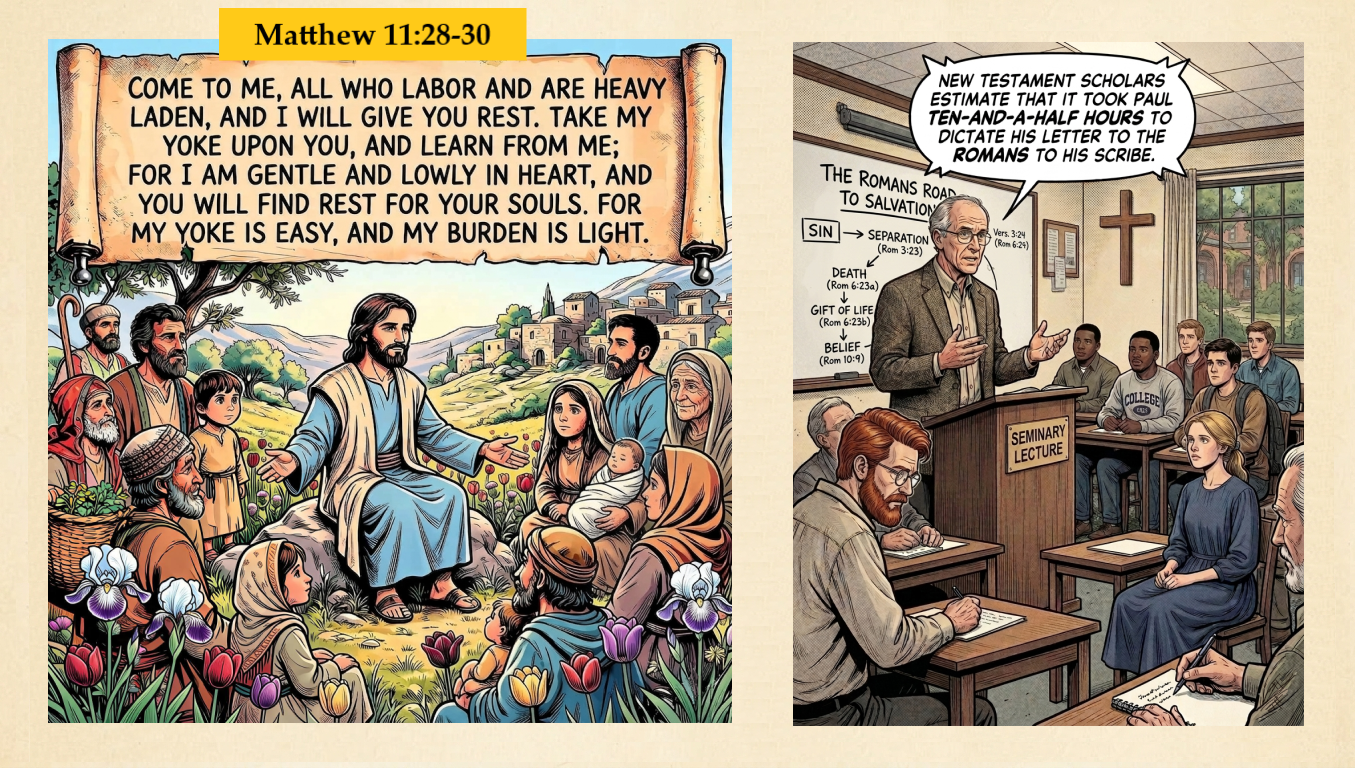
The doctrine of Bible “inerrancy” leads to mental acrobatics like Dispensationalism. Mental acrobatics are the opposite of the easy yoke and light burden (Matthew 11:28-30) of Jesus, meaning easy guidance to plow in a straight line — without piling on extra burdens (Matthew 23:4) — extra burdens that go beyond God’s moral commands (2 John 1:9) — and interfere with the weightier matters of mercy and justice and faithfulness (Matthew 23:23) and with Jesus’ condensation of the Law and the Prophets into the first and second greatest commandments. (Matthew 22:36-40)
I will provide several examples of key proof texts in Pauline epistles that are used to teach Dispensationalism.
“For this reason I, Paul, the prisoner of Christ Jesus for you Gentiles— if indeed you have heard of the dispensation of the grace of God which was given to me for you, how that by revelation He made known to me the mystery (as I have briefly written already, by which, when you read, you may understand my knowledge in the mystery of Christ), which in other ages was not made known to the sons of men, as it has now been revealed by the Spirit to His holy apostles and prophets: that the Gentiles should be fellow heirs, of the same body, and partakers of His promise in Christ through the gospel, of which I became a minister according to the gift of the grace of God given to me by the effective working of His power.
To me, who am less than the least of all the saints, this grace was given, that I should preach among the Gentiles the unsearchable riches of Christ, and to make all see what is the fellowship of the mystery, which from the beginning of the ages has been hidden in God who created all things through Jesus Christ…” (Ephesians 3:1-9)
This passage from Ephesians is one of many key passages from Pauline epistles that are used as proof texts to teach the doctrine of Dispensationalism. There are many other proof texts scattered across the Pauline epistles.
Paul Is Construed As Teaching That the Ascended Christ Taught Paul a Different Doctrine for Gentiles, While Christ in the Flesh Had Taught a Separate Doctrine for Jews Under the Law
“Therefore, from now on, we regard no one according to the flesh. Even though we have known Christ according to the flesh, yet now we know Him thus no longer.” (2 Corinthians 5:16)
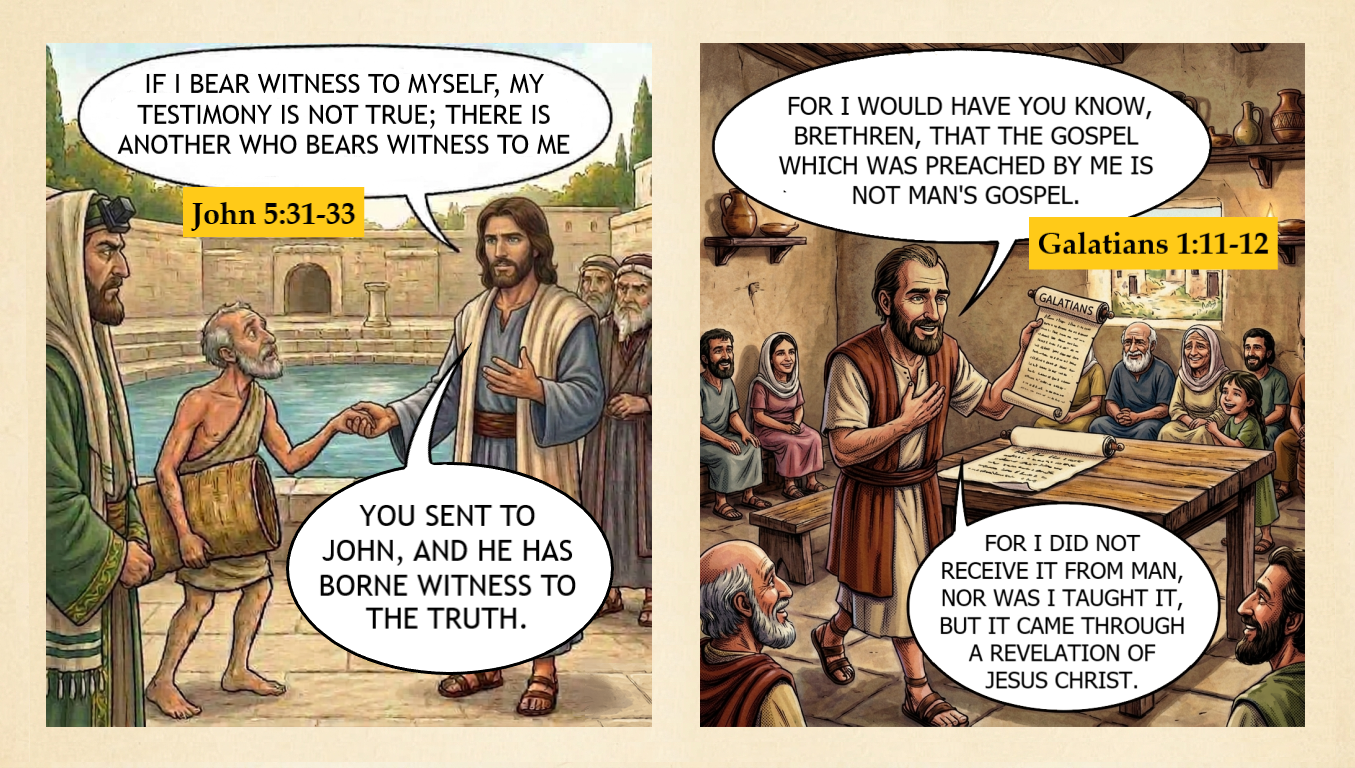
“But I make known to you, brethren, that the gospel which was preached by me is not according to man. For I neither received it from man, nor was I taught it, but it came through the revelation of Jesus Christ.” (Galatians 1:11-12)
Galatians features many passages repeatedly associating law with death, curses and flesh and opposing law to grace, which is associated with spirit and faith. Paul didn’t change, because he had the very same pattern of oppositional associations in Romans, his last epistle.
Dispensationalists simply accept all of this and work with it systematically, attempting to comprehensively explain how Pauline epistles are inerrant, along with the Old Testament and the Gospels. Dispensationalists teach that all of Jesus’ sayings and commands were only intended for a prior dispensation of Jews under the law. This directly contradicts the Great Commission, in which Jesus told his disciples to teach all the nations all things whatsoever he had commanded them. (Matthew 28:16-20)
Paul Is Construed as Teaching the Division Between Law and Grace
“For sin shall not have dominion over you, for you are not under law but under grace.” (Romans 6:14)
“Be diligent to present yourself approved to God, a worker who does not need to be ashamed, rightly dividing the word of truth.” (2 Timothy 2:15)
Combined with other Pauline proof texts, these and other passages are used to support the theories of Dispensational futurism. 2 Timothy 2:15 is taken as Paul’s inspired way of telling gentiles to divide out Paul’s words to apply to themselves in their dispensation of grace.
Paul Is Construed as Setting Himself Up As a Model for Gentiles in the Dispensation of Grace
Paul said frequently to gentiles to imitate him. Dispensationalist theologians believe that Paul, not Jesus, is the role model for gentile Christians.
“Therefore I urge you, imitate me.” (1 Corinthians 4:16)
“Brethren, join in following my example, and note those who so walk, as you have us for a pattern. For many walk, of whom I have told you often, and now tell you even weeping, that they are the enemies of the cross of Christ: whose end is destruction, whose god is their belly, and whose glory is in their shame—who set their mind on earthly things.” (Philippians 3:17-19)
“However, for this reason I obtained mercy, that in me first Jesus Christ might show all longsuffering, as a pattern to those who are going to believe on Him for everlasting life.” (1 Timothy 1:16)
Was Paul Correct That Gentile Inclusion in the Messianic Kingdom Was a Mystery Revealed to Him Through His Paranormal Experiences, Never Revealed to Old Testament Prophets?
Old Testament Messianic prophecies included gentiles from the very beginning, as early as Abraham and Jacob. Abraham was told he would become the father of many nations in Genesis 17:4-6. Jacob gave Judah a Messianic prophecy that included gentiles, as part of the series of prophecies he gave to his sons from his death bed:
The scepter shall not depart from Judah,
nor the ruler’s staff from between his feet,
until he comes to whom it belongs;
and to him shall be the obedience of the peoples. (Genesis 49:10)
Psalm 22:27-28 reads:
All the ends of the world
Shall remember and turn to the Lord,
And all the families of the nations
Shall worship before You.
For the kingdom is the Lord’s
And He rules over the nations.
Jesus quoted the opening lines of Psalm 22 on the cross.
When Jesus flipped the tables of the money changers in the court of the gentiles at the Jerusalem temple complex; in Matthew 21:13, he cited Isaiah 56:7, a Messianic prophecy about gentile inclusion, which said that God’s house would be a house of prayer for all nations.
Therefore Paul is simply incorrect in saying that gentile inclusion had been a mystery revealed to him through his paranormal experiences. Paul called it a mystery — a mystery he learned through revelation — that gentiles were to be included as “fellow heirs” and “partakers of the promise in Christ Jesus through the gospel.” (Ephesians 3:1-6)
But see this example:
I will say to the north, Give up,
and to the south, Do not withhold;
bring my sons from afar
and my daughters from the end of the earth (Isaiah 43:6)
The above displays obvious gentile inclusion, and also the theme of a Father in heaven with children, including gentile children. The Gospel themes about being born again to enter the kingdom as a child of the Father in heaven, were not entirely new themes — not even for gentiles.
Did Paul have the authority to introduce new doctrines? Paul doesn’t leave us the option of saying he never knew his letters would become canon, and therefore he must have never intended to have so much authority. That is because Paul wrote to the Galatians:
“But though we, or an angel from heaven, preach any other gospel unto you than that which we have preached unto you, let him be accursed.
As we said before, so say I now again, if any man preach any other gospel unto you than that ye have received, let him be accursed.” (Galatians 1:8-9)
Paul’s Lord Teaches Paul That He Has Highest Authority and Paul Has Highest Messenger Authority, but Who Is Paul’s Lord?
In Galatians 1:8-9, Paul made a thorough going claim to the highest authority any messenger could ever have, aside from the spirit being that Paul called Lord, presumably the same being who met Paul on the road to Damascus. This spirit is a spirit who can’t pass John’s tests for the Spirit of Antichrist. (1 John 2:23, 1 John 4:1-6) Paul’s Lord didn’t teach a doctrine that has the Father and the Son; Paul’s Lord taught Paul to replace the Father with the Son. (Romans 7:1-7) Paul’s Lord taught Jesus only came in the likeness of sinful flesh (Romans 8:3) and couldn’t have come in the flesh because flesh can’t obey God’s commands (Romans 8:8) and that flesh can only receive grace if God’s moral laws — the tablets of the covenant — are abrogated. The implication is that the Father is unforgiving, contradicting Jesus’ Parable of the Prodigal Son (Luke 15:11-32) and the Lord’s Prayer (Matthew 6:9-15). Paul’s Lord met the criteria for a warning from Jesus that he will not privately appear in the wilderness when he returns. (Matthew 24:26-27) Paul didn’t just claim a vision; he claimed to have witnessed the resurrected Jesus. (1 Corinthians 15:4-8)
But Jesus ascended after forty days. (Acts 1:3-11) Paul’s timeline can’t be right. Paul didn’t persecute the church and then meet Jesus on the Road to Damascus and then convert, all within the forty days in between Jesus’ resurrection and ascension. The only way Paul could have been a witness of the resurrected Jesus would have been for Jesus to have made a Second Coming appearance only for Paul and the men who were with Paul. But Jesus made it clear that his Second Coming would not be secret or private. It would not be in a wilderness location (Matthew 24:26) or in a secret chamber. It would be on the clouds, and it would be a publicly and universally visible event. (Mark 13:26-34) And in Acts 1:11, the angels told the disciples that Jesus will return the same way he left, visibly and on the clouds.
Jesus Taught That the Messenger Is Not Greater Than He Who Sent Him
Even if Paul had been chosen by Jesus to be an apostle, would that have meant he could introduce new doctrine not taught by Jesus, or found in the Old Testament? Apostolos means messenger in Greek. Jesus said to his twelve chosen apostles that he was the sole rabbi, or teacher, of his church. (Matthew 23:8) He said he who is sent, also translated as the messenger, is not greater than he who sent him. (John 13:16)
Jesus explained further that a function of the Holy Spirit would be to bring his words to remembrance and to explain or teach all things about his words. (John 14:26) He told his disciples to abide, or remain, in him. (John 15:4-11) He said that a branch that did not abide in him, the true vine, would be cast into the fire. (John 15:6)
Jesus called his disciples his “little flock,” (Luke 12:32) and in his Good Shepherd parable (John 10), his sheep heed all the words of the Good Shepherd, and they follow him wherever he goes.
John Said Any One Who Goes Beyond and Does Not Abide In the Doctrine of Jesus Does Not Have the Father and the Son and Therefore Meets One of John’s Criteria for the Spirit of Antichrist
John wrote in 2 John 9: “Any one who goes ahead and does not abide in the doctrine of Christ does not have God; he who abides in the doctrine has both the Father and the Son.”
“Who is the liar but he who denies that Jesus is the Christ? This is the antichrist, he who denies the Father and the Son. No one who denies the Son has the Father. He who confesses the Son has the Father also.” (1 John 2:22-23)
The antichrist denies the Father and the Son, and any one who does not abide in the teachings of Jesus does not have the Father and the Son. Therefore, claiming to preach Christ’s gospel, but not abiding in Jesus’ words, meets John’s criteria for exhibiting the spirit of Antichrist.
Jesus’ Words Are Imperishable Seeds, So They Can’t Belong to a Defunct Dispensation That Was Only Intended for Jews Under the Law
Jesus said heaven and earth would pass away, but his words would never pass away. (Matthew 24:35) Peter called Jesus’ words imperishable seeds. (1 Peter 1:23) Therefore the words Jesus’ spoke while he was in the flesh could not have become replaced by new and different doctrines that Jesus gave to Paul after he ascended.
It logically follows that it is a gross contradiction of Jesus’ words, for theologians like Bultmann to proof text 2 Corinthians 5:16. to teach that Jesus’ words in the flesh were replaced by the words Jesus supposedly gave to Paul in the spirit after he ascended.
“From now on, therefore, we regard no one from a human point of view; even though we once regarded Christ from a human point of view, we regard him thus no longer.” (2 Corinthians 5:16)
Why Did Jesus After His Ascension Write Letters to the Same Churches as Paul, but Containing Very Different Messages?
In fact, Jesus after his ascension gave letters to John to give to seven of Paul’s churches in Asia Minor. (Revelation 2, Revelation 3) Jesus’ doctrines in his letters to Paul’s churches are quite a contrast to Paul’s doctrines to those churches. Nothing in Jesus’ seven letters to the seven churches contradicts the Gospels. But there is much to contradict Pauline epistles.
Does Jesus in Revelation 2:1-7 Commend the Ephesians for Rejecting Paul and Timothy as False Apostles?
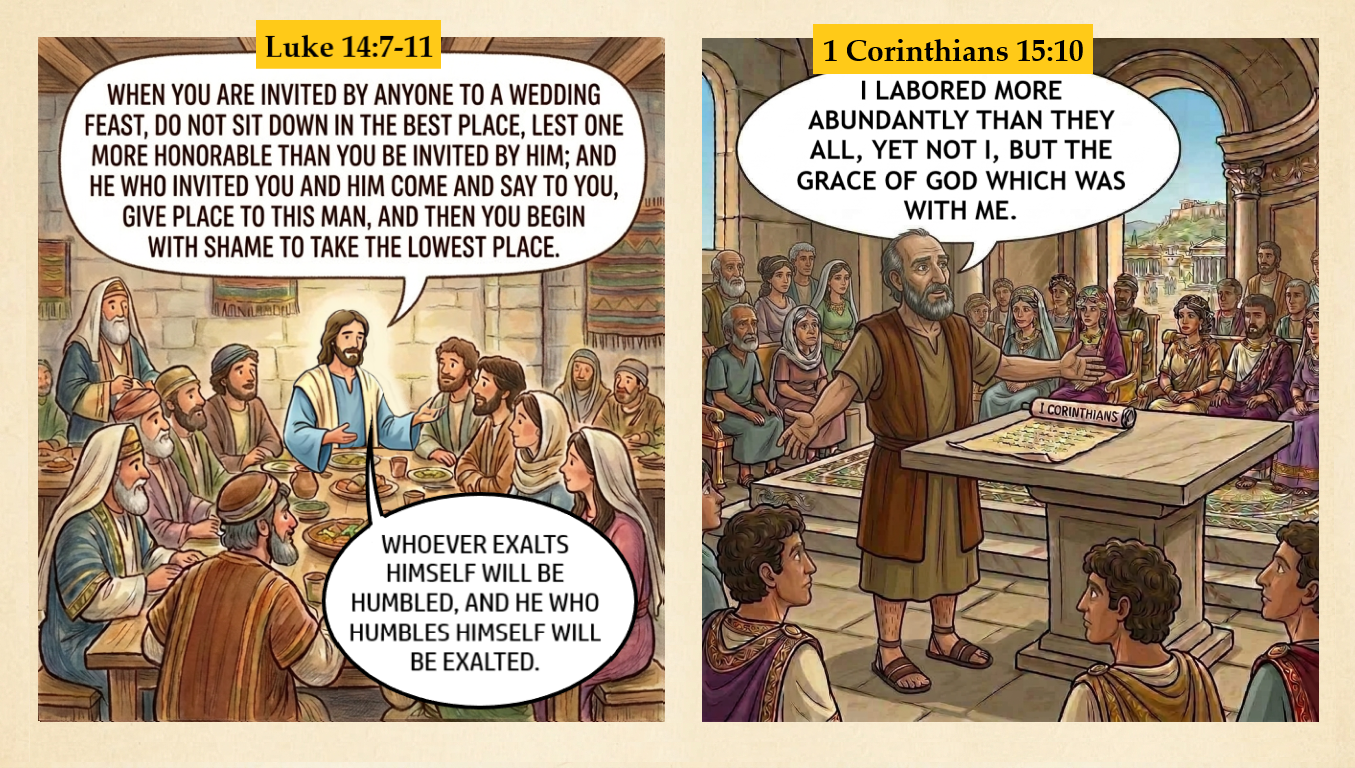
Jesus’ letter to the church in Ephesus (Revelation 2:1-7) is especially interesting to compare to Paul’s letter to the Ephesians. In Jesus’ letter to the church in Ephesus, Jesus praises the Ephesians for rejecting false apostles. (Revelation 2:2) In Ephesians 1:1, Paul specifically called himself an apostle to the Ephesians. Paul wrote to Timothy that all in the Roman province of Asia Minor had turned away from him. Paul didn’t say the churches of Asia Minor turned away from Christ. He said they turned away from “me.” (2 Timothy 1:15)
Jesus told his disciples to beware of false prophets:
“Beware of false prophets, who come to you in sheep’s clothing but inwardly are ravenous wolves. You will know them by their fruits. Are grapes gathered from thorns, or figs from thistles? So, every sound tree bears good fruit, but the bad tree bears evil fruit.” (Matthew 7:15-16)
Even If You Don’t Feel Like Your Own Authority Could Possibly Be Higher Than The Authority of Pastors and Theologians, You Can Still Recognize That Jesus Is a Higher Authority Than They Are
Some Christians may still feel doubt, even after seeing all of the evidence. That is because they don’t see any theologians and pastors who show any sign of noticing this evidence. If all of this is really true, why aren’t there more witnesses, they may wonder? There have actually been quite a few historical witnesses. Just a few of the many examples of historical witnesses who have given Jesus’ words priority over Paul’s are Tyndale, Tolstoy, Kierkegaard and Bonhoeffer.
If you need more thorough detail that I’ve provided here, and if you’re a reader, you’ll never find a more exhaustive resource than Jesus’ Words Only.
It can be hard to feel self-confident when you’re not conforming to the majority of the church. But it’s not necessary to be confident in yourself. It’s only necessary to be confident in Jesus. It’s not necessary to make yourself a higher authority than pastors and theologians. It’s only necessary to recognize that Jesus is a higher authority than pastors and theologians.
Christians who feel inspired to participate in a renewed focus on the words of Jesus, but still lack self-confidence to do so, can take heart in Jesus’ perspective. Listen to him:
“I thank thee, Father, Lord of heaven and earth, that thou hast hidden these things from the wise and understanding and revealed them to babes; yea, Father, for such was thy gracious will.” – Matthew 11:25-26
Truly, truly, I say to you, if any one keeps my word, he will never see death. – John 8:51